
Learning how to master cooking techniques transforms ordinary dishes into memorable meals. Every home cook benefits from understanding the core methods that professional chefs use daily. These skills build confidence in the kitchen and produce consistent results.
Cooking techniques fall into several categories. Some use dry heat, others use moist heat, and all require proper knife skills and prep work. Temperature control sits at the foundation of every method. Once cooks grasp these fundamentals, they can tackle any recipe with ease.
This guide breaks down essential cooking techniques into practical steps. Readers will learn heat management, dry-heat methods like sautéing and roasting, moist-heat approaches like braising, and basic knife skills. Each section offers actionable advice that improves results immediately.
Table of Contents
ToggleKey Takeaways
- Mastering cooking techniques like sautéing, roasting, and braising transforms ordinary meals into memorable dishes.
- Heat control is the foundation of all cooking techniques—adjust temperature throughout cooking to prevent burning and ensure even doneness.
- Invest in an instant-read thermometer to eliminate guesswork and hit safe target temperatures every time.
- Avoid overcrowding the pan when sautéing; cook in batches to achieve proper browning instead of steaming.
- Strong knife skills and mise en place (prepping ingredients in advance) speed up cooking and improve consistency.
- Practice one cooking technique repeatedly until it becomes second nature before moving on to more advanced methods.
Understanding Heat Control and Temperature
Heat control forms the backbone of all cooking techniques. Without proper temperature management, even quality ingredients produce disappointing results.
Three heat levels guide most cooking: high, medium, and low. High heat works best for quick searing and stir-frying. Medium heat suits sautéing vegetables and cooking proteins through. Low heat excels at slow simmering and gentle braising.
A common mistake involves cranking heat to maximum and leaving it there. This approach burns food exteriors while leaving interiors raw. Skilled cooks adjust heat throughout the cooking process. They start with high heat to develop color, then reduce to finish cooking evenly.
Thermometers remove guesswork from cooking techniques. An instant-read thermometer costs under $20 and prevents overcooked steaks and undercooked chicken. Target temperatures matter: chicken reaches safe doneness at 165°F, medium-rare beef at 130°F, and pork at 145°F.
Preheating pans and ovens makes a significant difference. Cold pans cause food to stick and steam rather than sear. A properly heated pan produces the signature sizzle that indicates successful browning. Most home cooks don’t wait long enough, give pans two to three minutes over medium-high heat before adding oil.
Fundamental Dry-Heat Cooking Methods
Dry-heat cooking techniques use air, fat, or metal to transfer heat without water or liquid. These methods create browning, crispy textures, and concentrated flavors.
Sautéing
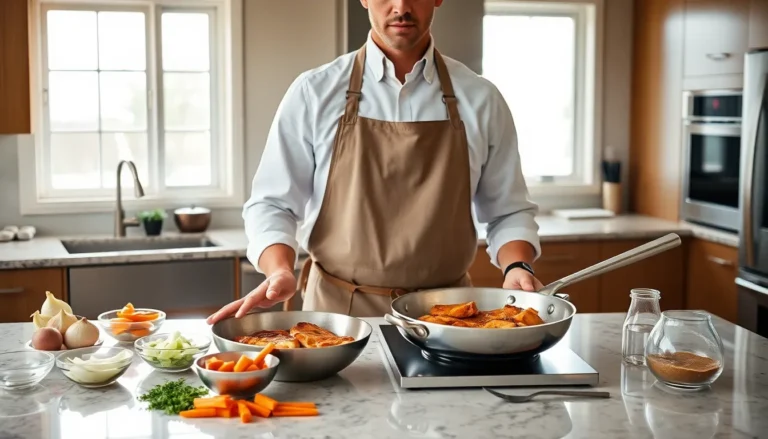
Sautéing involves cooking food quickly in a small amount of fat over medium-high heat. The term comes from the French word for “jump”, cooks toss ingredients in the pan to ensure even cooking. This technique works best with tender vegetables, thin cuts of meat, and seafood.
The key to successful sautéing lies in not overcrowding the pan. Too much food drops the pan temperature and creates steam instead of browning. Cook in batches if necessary.
Roasting
Roasting uses dry oven heat to cook food evenly on all sides. This cooking technique works well for larger cuts of meat, whole chickens, and root vegetables. Temperatures typically range from 325°F to 450°F depending on the ingredient.
Higher temperatures produce crispier exteriors. Lower temperatures cook large items more evenly. Many cooks start at high heat for browning, then reduce temperature to finish gently.
Grilling and Broiling
Grilling applies direct heat from below, while broiling applies it from above. Both cooking techniques create charred surfaces and smoky flavors. They work best with tender cuts that cook quickly, steaks, chops, fish fillets, and vegetables.
Direct heat requires attention. Food can go from perfectly done to burnt in seconds. Keep a close eye on items under the broiler or over hot coals.
Essential Moist-Heat Cooking Techniques
Moist-heat cooking techniques use water, stock, wine, or other liquids to transfer heat. These methods produce tender results and work well with tougher cuts.
Braising
Braising combines dry and moist heat. Cooks first brown meat in fat, then add liquid and cook slowly in a covered pot. This technique transforms tough cuts like chuck roast and pork shoulder into fork-tender dishes. The process takes hours but requires minimal active work.
Liquid should cover about one-third to one-half of the meat. Too much liquid creates a boiled texture rather than the concentrated flavors braising produces.
Simmering and Poaching
Simmering maintains liquid just below boiling, small bubbles rise gently to the surface. This cooking technique works for soups, stews, and reducing sauces. Poaching uses even lower temperatures, with no visible bubbles. Delicate proteins like fish and eggs benefit from poaching.
Temperature precision matters here. Aggressive boiling breaks apart tender foods and makes proteins tough. A gentle simmer between 180°F and 200°F produces the best results.
Steaming
Steaming cooks food with hot vapor rather than submerging it in liquid. This technique preserves nutrients, colors, and textures better than boiling. Vegetables, fish, and dumplings all respond well to steaming. A simple setup involves a pot with a fitted steamer basket and lid.
Knife Skills and Prep Work Basics
Strong knife skills speed up cooking and improve results. Uniformly cut ingredients cook at the same rate, creating consistent textures and flavors.
A sharp knife matters more than an expensive one. Dull blades require more pressure and slip more easily, causing accidents. Home cooks should sharpen knives every few months and hone them before each use.
The basic cuts every cook should master include:
- Dice: Uniform cubes, typically 1/4 inch to 1/2 inch
- Mince: Very fine pieces, almost paste-like
- Julienne: Thin matchstick strips
- Chiffonade: Thin ribbons of leafy greens or herbs
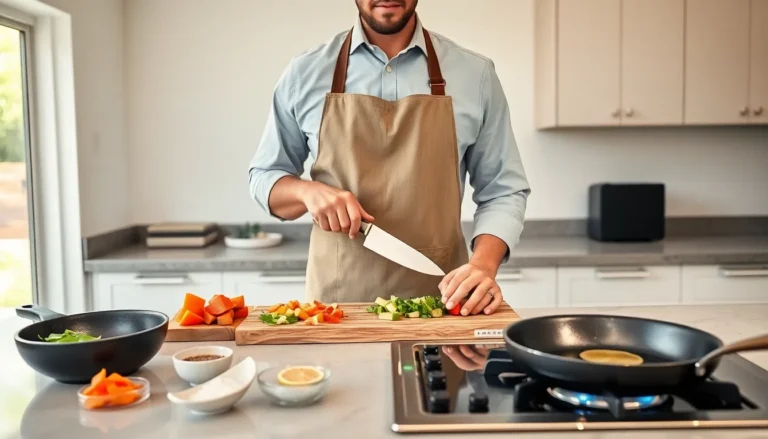
Proper technique starts with grip. Hold the knife handle firmly with three fingers while the thumb and index finger pinch the blade just past the handle. This grip provides control and reduces fatigue.
The guiding hand forms a claw shape with fingertips curled under. Knuckles guide the blade while fingertips stay protected. This technique feels awkward at first but becomes natural with practice.
Prep work extends beyond cutting. Mise en place, having all ingredients measured and ready before cooking begins, transforms the cooking experience. Rushed cooks make mistakes. Prepared cooks stay calm and execute cooking techniques properly.
Tips for Practicing and Improving Your Skills
Mastering cooking techniques takes repetition. No one becomes skilled by reading alone, hands-on practice builds muscle memory and intuition.
Start with one technique and practice it repeatedly. Cook scrambled eggs every morning for a week to understand heat control. Sauté onions until achieving perfect caramelization becomes second nature. Mastery of basic cooking techniques creates a foundation for advanced skills.
Cook the same dish multiple times. Each attempt reveals improvements. The third roast chicken teaches more than three different recipes because comparison becomes possible.
Watch professionals work. Online videos show proper form for knife skills and pan techniques. Pay attention to hand positions, timing, and movement patterns. Then replicate what you observe.
Taste constantly. Successful cooks taste food throughout the cooking process, adjusting seasoning and checking doneness. This habit develops palate awareness and catches problems early.
Accept failures as data. Burnt garlic or overcooked steak provide valuable lessons. Note what went wrong and adjust next time. Every mistake improves future cooking techniques.
Invest in a few quality tools. A heavy-bottomed pan, sharp chef’s knife, and instant-read thermometer enable proper technique execution. Poor equipment fights against the cook.