The best cooking techniques separate average meals from memorable ones. Heat, timing, and method determine whether chicken turns out juicy or dry, whether vegetables taste vibrant or bland. Home cooks who understand these fundamentals gain control over flavor, texture, and presentation.
This guide covers the essential cooking techniques every home chef should know. From dry-heat methods like sautéing and roasting to moist-heat approaches like braising and poaching, each technique serves a specific purpose. Understanding when and why to use each method transforms cooking from guesswork into skill.
Table of Contents
ToggleKey Takeaways
- The best cooking techniques fall into three categories: dry-heat (sautéing, roasting), moist-heat (poaching, steaming), and combination methods (braising, stewing).
- Dry-heat cooking creates browning and crispy textures through the Maillard reaction, which occurs above 280°F.
- Moist-heat techniques like poaching and simmering keep proteins tender and work best for delicate ingredients like fish and eggs.
- Braising and stewing combine dry and moist heat to transform tough cuts of meat into fork-tender dishes with deep flavor.
- Match your cooking technique to the ingredient: use quick, high-heat methods for tender cuts and low, slow methods for tough cuts with connective tissue.
- Always consider your available time—sautéing suits weeknight meals, while braises and stews reward patience with richer flavors.
Essential Dry-Heat Cooking Methods
Dry-heat cooking techniques use air, fat, or metal to transfer heat without added liquid. These methods create browning, caramelization, and crispy textures that moist-heat cooking cannot achieve. Mastering dry-heat methods is foundational among the best cooking techniques.
Sautéing and Pan-Frying
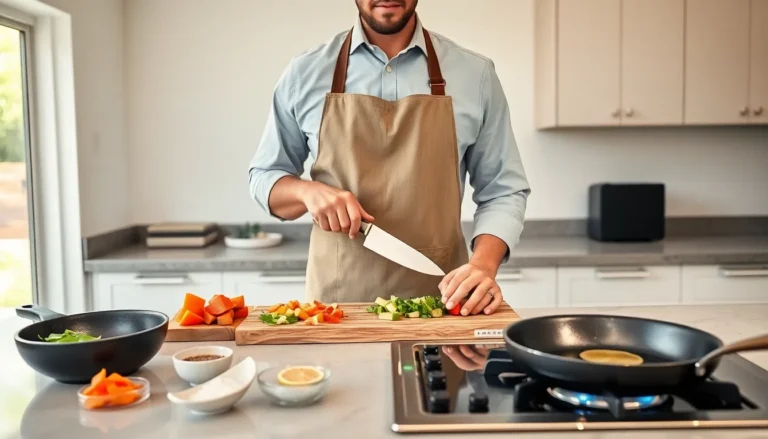
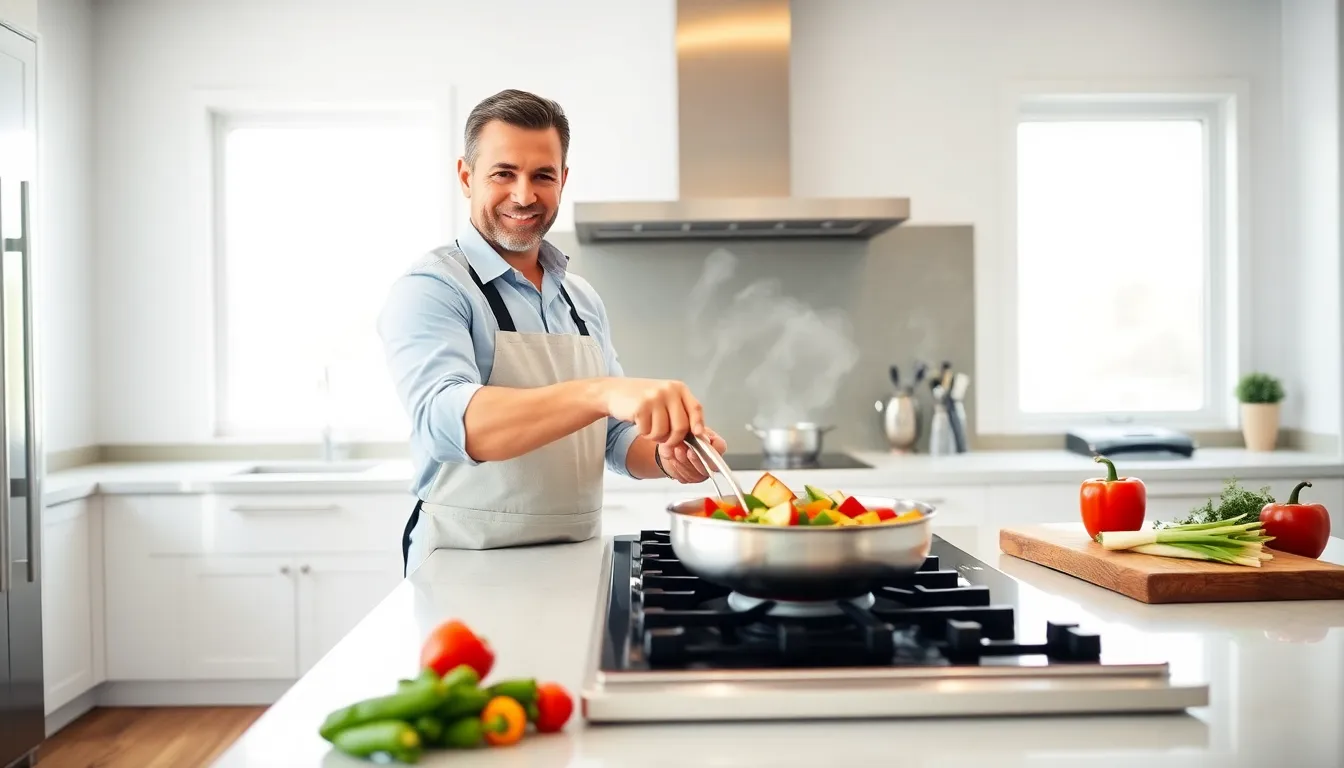
Sautéing uses high heat and a small amount of fat to cook food quickly in an open pan. The term comes from the French word “sauter,” meaning “to jump.” Cooks toss or stir ingredients frequently to ensure even cooking and prevent burning.
This technique works best for tender cuts of meat, fish, and vegetables cut into uniform pieces. The high heat creates a flavorful brown crust through the Maillard reaction, the chemical process that occurs when proteins and sugars meet heat above 280°F.
Key tips for successful sautéing:
- Heat the pan before adding fat
- Don’t overcrowd the pan (this causes steaming instead of browning)
- Keep ingredients moving
- Use oils with high smoke points like avocado or grapeseed
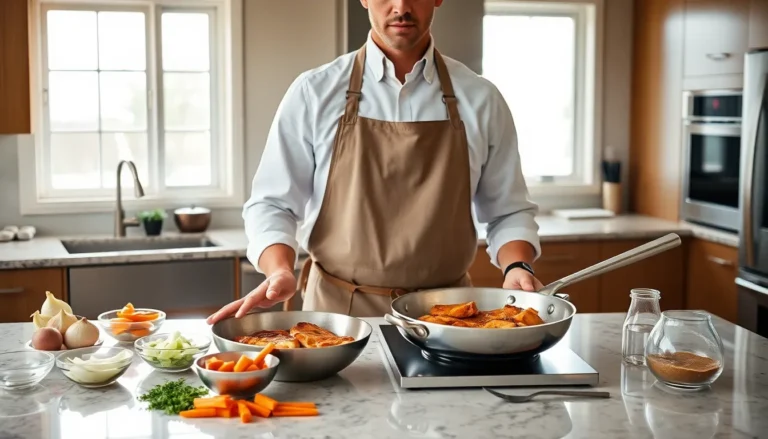
Pan-frying differs from sautéing in that it uses more fat and lower temperatures. Food sits in the pan rather than being tossed. This method suits thicker cuts of meat, breaded items, and foods that need longer cooking times. Think pork chops, chicken cutlets, or fish fillets.
Roasting and Baking
Roasting and baking both use dry, indirect heat from an oven. The difference? It’s mostly semantic. Roasting typically refers to meats and vegetables cooked at higher temperatures. Baking usually describes bread, pastries, and casseroles.
Roasting at temperatures between 400°F and 450°F produces crispy exteriors and tender interiors. Lower temperatures (300°F to 350°F) work better for larger cuts that need time to cook through without burning outside.
For the best roasting results:
- Bring meat to room temperature before cooking
- Use a rack to allow air circulation
- Let roasted meats rest before slicing (5-10 minutes for small cuts, 15-20 for larger roasts)
These dry-heat cooking techniques form the backbone of countless recipes. A home chef who masters sautéing and roasting can handle most dinner preparations with confidence.
Must-Know Moist-Heat Techniques
Moist-heat techniques use water, stock, wine, or other liquids to cook food. These methods produce tender results and work especially well with tougher cuts of meat and fibrous vegetables. They rank among the best cooking techniques for building flavor and ensuring even cooking.
Poaching involves cooking food gently in liquid held between 160°F and 180°F. Bubbles should barely break the surface. This technique suits delicate proteins like eggs, fish, and chicken breast. The low temperature prevents toughening and drying.
Simmering uses slightly higher temperatures (185°F to 205°F). Small bubbles rise steadily to the surface. Soups, stews, and sauces develop best at a simmer. Boiling, which occurs at 212°F, is actually too aggressive for most cooking and can toughen proteins.
Steaming cooks food above, not in, boiling water. The steam transfers heat while preserving nutrients that would otherwise leach into cooking liquid. Vegetables, fish, and dumplings respond well to steaming. A steamer basket or bamboo steamer keeps food elevated.
Blanching quickly cooks vegetables in boiling water before plunging them into ice water. This technique sets color, softens texture slightly, and stops enzyme activity. Blanched vegetables stay vibrant green and crisp-tender.
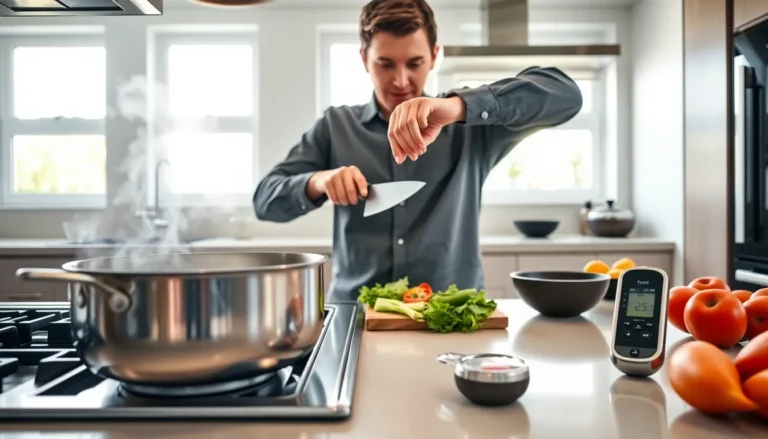
Moist-heat cooking techniques require attention to temperature. A thermometer helps beginners distinguish between poaching, simmering, and boiling temperatures.
Combination Cooking Methods for Deeper Flavor
Some of the best cooking techniques combine both dry and moist heat. These methods produce the deepest flavors and the most tender results, especially with tough cuts of meat.
Braising starts with browning meat in a hot pan (dry heat), then cooking it slowly in a covered pot with liquid (moist heat). The initial sear creates flavor compounds through caramelization. The low, slow simmer breaks down collagen into gelatin, turning tough cuts like chuck roast, short ribs, and pork shoulder into fork-tender dishes.
Braising liquid should cover the meat about halfway. Cook times range from 2 to 4 hours depending on the cut. The result? Rich, concentrated flavors and meat that falls apart.
Stewing follows similar principles but uses smaller pieces of meat fully submerged in liquid. Classic beef stew exemplifies this technique. The meat, vegetables, and liquid cook together, creating a unified dish where every component absorbs flavor from the others.
Both braising and stewing benefit from advance preparation. These dishes often taste better the next day after flavors have melded overnight in the refrigerator.
Combination cooking techniques demand patience. They cannot be rushed. But the payoff, deeply savory, melt-in-your-mouth results, makes them worth the time investment.
How to Choose the Right Technique for Any Dish
Selecting the best cooking techniques depends on three main factors: the ingredient, the desired outcome, and available time.
Consider the ingredient first. Tender cuts of meat (filet mignon, chicken breast, fish) respond well to quick, dry-heat methods like sautéing or grilling. Tough cuts with lots of connective tissue (brisket, shank, shoulder) need low, slow moist-heat or combination methods to become tender.
Vegetables follow similar logic. Delicate greens wilt quickly with minimal heat. Dense root vegetables need longer cooking times, roasting brings out their natural sugars, while steaming preserves their nutrients.
Match technique to texture. Want crispy skin on chicken? Roast or pan-fry it. Want silky, flaky salmon? Poach it. The cooking method determines texture as much as flavor.
Factor in time. Weeknight dinners call for quick techniques: sautéing, stir-frying, pan-frying. Weekend cooking allows time for braises, roasts, and stews that develop flavor over hours.
A quick reference:
| Ingredient Type | Best Techniques |
|---|---|
| Tender meats | Sauté, grill, roast |
| Tough cuts | Braise, stew |
| Delicate fish | Poach, steam |
| Firm fish | Pan-fry, bake |
| Leafy vegetables | Sauté, steam |
| Root vegetables | Roast, braise |
Understanding these relationships helps home chefs make confident decisions. They stop following recipes blindly and start cooking with intention.