
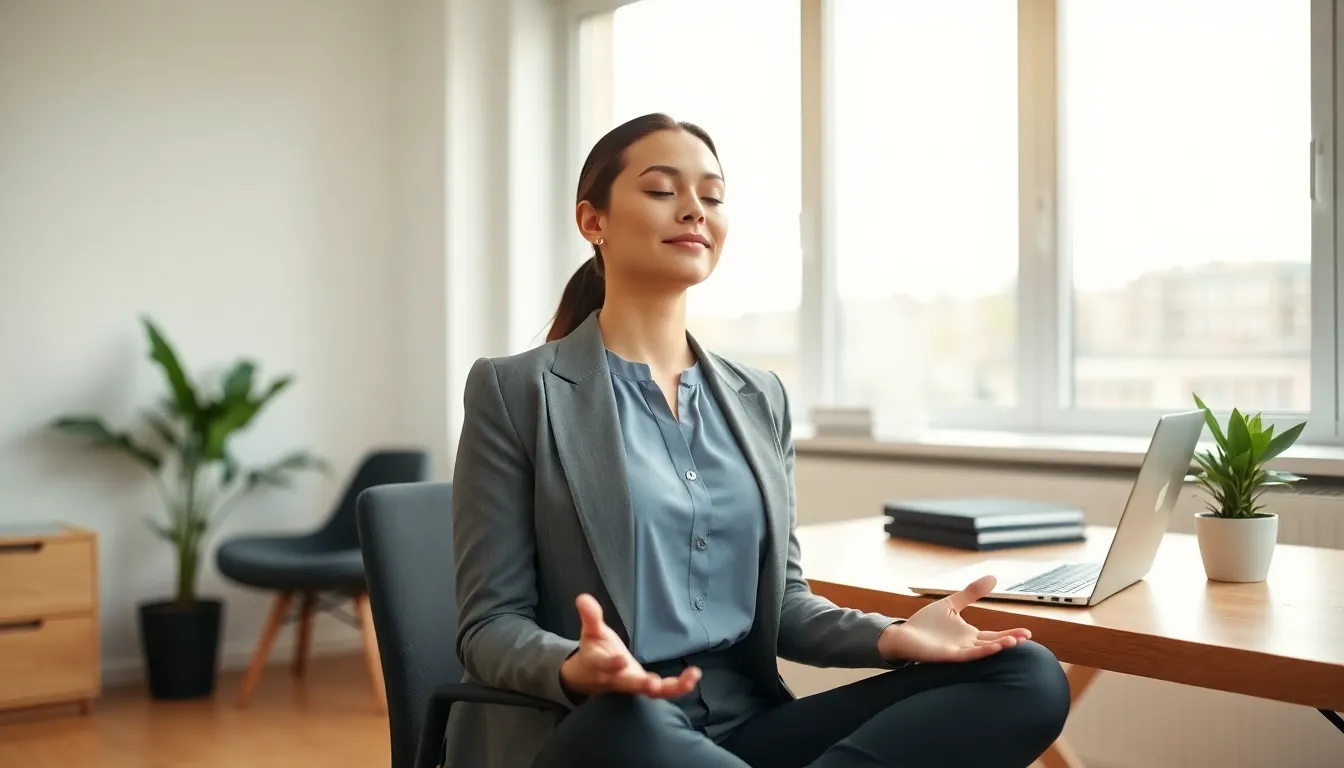
The best mindfulness practices can change how people experience stress, focus, and daily challenges. Research shows that regular mindfulness reduces anxiety by up to 30% and improves emotional regulation. Yet many people struggle to know where to start or which techniques actually work.
This guide covers proven mindfulness practices that fit into busy schedules. From breathing exercises that calm the nervous system in minutes to body scans that release tension, these methods deliver real results. Readers will learn specific techniques they can use today and strategies to build lasting habits.
Table of Contents
ToggleKey Takeaways
- The best mindfulness practices, such as breathing exercises and body scans, can reduce anxiety by up to 30% and improve emotional regulation.
- Box breathing and 4-7-8 breathing are quick techniques that calm the nervous system in under five minutes.
- Body scan meditation helps release physical tension and has been shown to improve sleep quality better than sleep education alone.
- Mindful movement options like walking, yoga, and stretching work well for people who struggle with sitting still during meditation.
- Start with just five minutes daily—consistency matters more than duration when building a lasting mindfulness routine.
- Anchor new mindfulness practices to existing habits, like taking deep breaths after brushing your teeth, to make them easier to maintain.
What Is Mindfulness and Why Does It Matter
Mindfulness means paying attention to the present moment without judgment. It involves noticing thoughts, feelings, and sensations as they happen. The practice comes from Buddhist traditions but now has strong scientific backing.
Research from Harvard Medical School shows mindfulness changes brain structure. After eight weeks of practice, participants showed increased gray matter in areas linked to learning, memory, and emotional control. Their amygdala, the brain’s fear center, actually shrank.
Why does this matter for daily life? People who practice mindfulness report:
- Better sleep quality
- Lower stress levels
- Improved concentration
- Stronger relationships
- Reduced symptoms of depression
The best mindfulness practices work because they interrupt automatic stress responses. When someone notices they’re anxious instead of just reacting, they create space for choice. That pause changes everything.
Mindfulness isn’t about emptying the mind or achieving some blissful state. It’s about awareness. Even noticing that the mind has wandered counts as a moment of mindfulness. This makes the practice accessible to anyone, regardless of experience level.
Breathing Exercises for Instant Calm
Breathing exercises rank among the best mindfulness practices because they work fast. The breath directly affects the nervous system. Slow, deep breaths activate the parasympathetic response, which tells the body it’s safe.
Box Breathing
Box breathing is simple and effective. Here’s how it works:
- Inhale for 4 counts
- Hold for 4 counts
- Exhale for 4 counts
- Hold for 4 counts
- Repeat 4-6 times
Navy SEALs use this technique before high-stress situations. It lowers heart rate and clears mental fog within minutes.
4-7-8 Breathing
Developed by Dr. Andrew Weil, this method works well for anxiety and sleep:
- Inhale through the nose for 4 counts
- Hold the breath for 7 counts
- Exhale through the mouth for 8 counts
The extended exhale triggers relaxation. Most people feel calmer after just three rounds.
Belly Breathing
Many adults breathe shallowly into their chest. Belly breathing corrects this pattern. Place one hand on the chest and one on the stomach. Breathe so only the stomach hand moves. This engages the diaphragm fully.
These breathing practices require no equipment and take less than five minutes. They’re perfect entry points for anyone new to mindfulness.
Body Scan Meditation for Deep Relaxation
Body scan meditation stands out among the best mindfulness practices for releasing physical tension. Many people carry stress in their shoulders, jaw, or back without realizing it. This practice builds awareness of those patterns.
A basic body scan takes 10-20 minutes. Here’s a step-by-step approach:
- Lie down or sit comfortably
- Close the eyes and take three deep breaths
- Focus attention on the feet, notice any sensations
- Move attention slowly up through the legs
- Continue through the torso, arms, and head
- Notice areas of tension without trying to fix them
- End with awareness of the whole body
The key is observation, not correction. When someone notices tension in their shoulders, they don’t force relaxation. They simply acknowledge what’s there. Often, tension releases on its own through this attention.
Studies show body scans reduce chronic pain and improve sleep quality. A 2019 study in JAMA Internal Medicine found that mindfulness practices including body scans helped insomnia sufferers more than sleep education alone.
For beginners, guided body scans work well. Apps like Insight Timer offer free recordings that talk listeners through each step. Starting with shorter sessions, even five minutes, makes the practice sustainable.
Mindful Movement and Walking Practices
Mindful movement proves that the best mindfulness practices don’t require sitting still. For people who feel restless during traditional meditation, movement-based options often work better.
Mindful Walking
Mindful walking turns an ordinary activity into a meditation. The practice involves:
- Walking slowly and deliberately
- Noticing the sensation of feet touching ground
- Feeling the shift of weight from one leg to another
- Observing the environment without judgment
This can happen anywhere, a hallway, a park, or even a small room. Ten minutes of mindful walking reduces stress hormones and improves mood.
Yoga as Mindfulness
Yoga combines physical postures with breath awareness. This dual focus keeps the mind anchored in the present. Even simple poses like child’s pose or mountain pose become mindfulness practices when done with full attention.
The movement aspect helps people who struggle with racing thoughts. When the body is engaged, the mind has less room to wander.
Mindful Stretching
A five-minute stretch break becomes a mindfulness practice with intention. Focus on each sensation as muscles lengthen. Notice where the body feels tight versus open. This brings awareness back to the physical experience.
These movement practices fit naturally into daily routines. A morning stretch, a lunchtime walk, or an evening yoga session all count as mindfulness when done with attention.
How to Build a Consistent Mindfulness Routine
Knowing the best mindfulness practices matters less than actually doing them. Consistency trumps perfection every time.
Start Small
Five minutes daily beats thirty minutes once a week. The brain builds new pathways through repetition, not duration. People who commit to just two minutes of breathing exercises often maintain the habit longer than those who aim for twenty.
Anchor to Existing Habits
Attach mindfulness to something already automatic. Examples include:
- Three deep breaths after brushing teeth
- A one-minute body check before morning coffee
- Mindful walking from the car to the office door
This technique, called habit stacking, removes the friction of remembering a new behavior.
Track Progress
Simple tracking increases follow-through. A checkmark on a calendar or a note in a journal creates accountability. Some people use apps that send reminders and log practice time.
Expect Resistance
The mind resists new habits. There will be days when mindfulness feels pointless or boring. This is normal. The practice isn’t about feeling good every time, it’s about showing up regardless.
Find Community
Group meditation classes or online communities provide support and motivation. Practicing with others creates accountability and normalizes the experience of struggling with focus.
Building a routine takes time. Research suggests habits form after an average of 66 days. Patience with the process is itself a form of mindfulness.