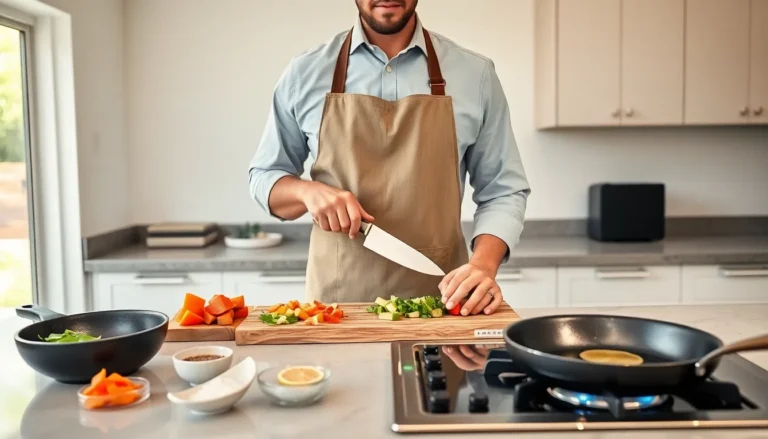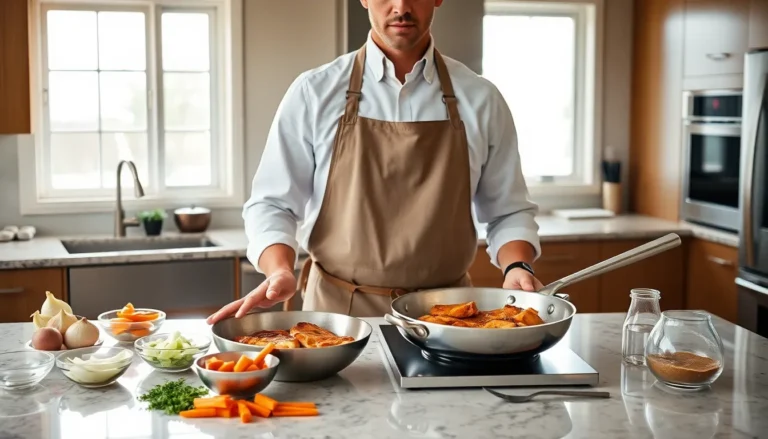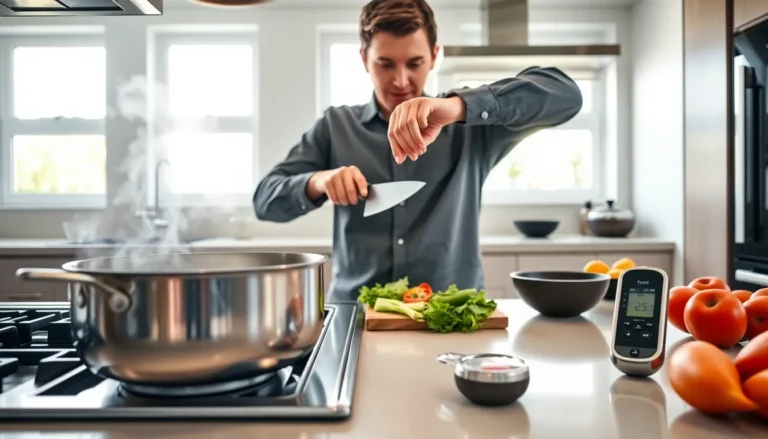

Cooking techniques determine the difference between a mediocre meal and an exceptional one. A home chef who understands heat transfer, timing, and method selection can transform simple ingredients into restaurant-quality dishes. This guide covers the essential cooking techniques that every aspiring cook needs to know. From dry heat methods like sautéing to moist heat approaches like braising, these skills form the foundation of good cooking. Mastering these techniques takes practice, but the results speak for themselves on the plate.
Table of Contents
ToggleKey Takeaways
- Mastering cooking techniques—both dry heat (sautéing, roasting) and moist heat (braising, steaming)—transforms simple ingredients into restaurant-quality meals.
- Dry heat cooking techniques create browning and caramelization, while moist heat methods excel at tenderizing tough cuts of meat.
- Choose your cooking technique based on the ingredient: tender cuts need quick, high-heat methods, while tough cuts benefit from slow braising or stewing.
- Advanced techniques like sous vide and reverse searing give home cooks precise control over texture and doneness.
- Practice different cooking techniques on the same ingredient to build kitchen intuition and understand how each method affects flavor and texture.
Dry Heat Cooking Methods
Dry heat cooking techniques use air, fat, or metal to transfer heat to food without moisture. These methods create browning reactions that produce deep flavors and appealing textures. Home cooks rely on dry heat techniques daily, often without realizing the science behind them.
Sautéing and Pan-Frying
Sautéing ranks among the most versatile cooking techniques in any kitchen. The method involves cooking food quickly in a small amount of fat over medium-high to high heat. The term comes from the French word “sauter,” meaning to jump, and that’s exactly what food should do in the pan.
Proper sautéing requires a hot pan, dry ingredients, and constant motion. Moisture is the enemy here. Wet vegetables will steam instead of brown. Pat proteins dry before they hit the pan. Use oils with high smoke points, like avocado or grapeseed oil, to prevent burning.
Pan-frying uses more fat than sautéing and works well for breaded items or thicker cuts of meat. The food sits in the oil, cooking on one side before flipping. Think chicken cutlets, fish fillets, or pork chops. Both techniques develop the Maillard reaction, that golden-brown crust that adds flavor and visual appeal.
Roasting and Baking
Roasting and baking both use dry, ambient heat in an enclosed space. The difference lies mainly in what’s being cooked. Roasting typically refers to meats and vegetables, while baking describes breads, pastries, and casseroles.
Successful roasting starts with high heat to develop a crust, then may reduce to finish cooking the interior. A 450°F start for chicken, dropping to 375°F, produces crispy skin and juicy meat. Vegetables benefit from similar treatment, high heat caramelizes natural sugars and creates texture.
Baking requires more precision. Oven temperature, ingredient ratios, and timing all affect the final product. Convection settings can speed cooking time by 25% but may require temperature adjustments. These cooking techniques reward patience and attention to detail.
Moist Heat Cooking Methods
Moist heat cooking techniques use water, stock, or steam to transfer heat. These methods excel at tenderizing tough cuts of meat and preserving nutrients in vegetables. The temperatures stay lower than dry heat methods, but the results can be equally impressive.
Braising and Stewing
Braising combines dry and moist heat in a two-step process. First, brown the meat in a hot pan. Then add liquid, cover, and cook slowly at low temperatures. The result transforms tough, inexpensive cuts into fork-tender meals.
Stewing follows similar principles but uses more liquid and smaller pieces of meat. The meat cooks fully submerged, creating a rich sauce or gravy as part of the dish. Both techniques benefit from low temperatures, 275°F to 325°F, and long cooking times of 2-4 hours.
These cooking techniques work magic on cuts like beef chuck, pork shoulder, and lamb shanks. The collagen in connective tissue breaks down into gelatin, producing that silky texture and depth of flavor. A Dutch oven or heavy-bottomed pot distributes heat evenly for best results.
Steaming and Poaching
Steaming cooks food suspended above boiling water. The steam transfers heat without direct contact with liquid, preserving texture and nutrients. Vegetables retain their color and crunch. Fish stays delicate and flaky.
Poaching submerges food in liquid kept just below the boiling point, around 160°F to 180°F. Eggs, chicken breasts, and delicate fish respond well to this gentle technique. The liquid can be water, stock, wine, or even milk for added flavor.
Both methods suit health-conscious cooking since they require no added fat. But, they don’t produce browning or caramelization. Smart cooks often combine techniques, poach a chicken breast, then sear it briefly for color.
Combination and Advanced Techniques
Some cooking techniques blend multiple methods for superior results. These approaches give home chefs more control over texture, flavor, and presentation.
Sous vide cooking has moved from professional kitchens to home countertops. This technique seals food in plastic bags and cooks it in precisely temperature-controlled water. A steak cooked at exactly 130°F for two hours emerges perfectly medium-rare from edge to edge. A quick sear in a screaming-hot pan adds the crust.
Reverse searing flips the traditional steak method. Instead of searing first, cook the meat at low temperature in the oven until it nearly reaches the target internal temperature. Then sear in a cast-iron pan. This produces an evenly cooked interior with a dark, flavorful crust.
Smoking adds another dimension to cooking techniques. Cold smoking flavors food without cooking it, while hot smoking cooks and flavors simultaneously. Even a regular grill can produce smoke-kissed results with soaked wood chips.
Confit, cooking food slowly in fat, transforms duck legs and garlic cloves. The low temperature and fat medium create tender results impossible to achieve otherwise. These advanced techniques require practice but reward dedicated home cooks with professional-level results.
How to Choose the Right Technique for Your Dish
Selecting the correct cooking technique starts with understanding your ingredients. Tender cuts of meat need quick, high-heat methods. Tough cuts need low and slow approaches to break down connective tissue.
Consider the final texture you want. Crispy skin? Dry heat. Tender, falling-apart meat? Braising or stewing. Delicate fish that won’t fall apart? Poaching or steaming.
Time matters too. Sautéing finishes in minutes. Braising takes hours. Plan cooking techniques around your schedule. A weeknight dinner might call for a quick pan-fry, while a Sunday project could mean a slow-roasted pork shoulder.
Equipment also guides technique selection. A cast-iron skillet excels at high-heat searing. A Dutch oven makes braising easy. A steamer basket opens up lighter options. Match your tools to your techniques.
Flavor profiles influence decisions as well. Grilling and roasting create bold, caramelized flavors. Steaming and poaching let ingredient flavors shine without added complexity. Think about what the dish needs before choosing your approach.
Practice different cooking techniques on the same ingredient to understand the differences. Cook chicken breasts by pan-frying, poaching, and roasting. Compare the results. This hands-on learning builds intuition that no recipe can teach.