Mastering cooking techniques examples transforms ordinary ingredients into memorable meals. Whether someone is searing a steak or simmering a stew, the method matters as much as the recipe. Heat application, timing, and moisture control separate a soggy vegetable from a perfectly caramelized one.
This guide breaks down essential cooking techniques into three categories: dry heat, moist heat, and combination methods. Each approach serves a specific purpose. Understanding when to use each technique helps home cooks build confidence and improve results in the kitchen.
Table of Contents
ToggleKey Takeaways
- Cooking techniques fall into three categories: dry heat, moist heat, and combination methods—each serving a specific purpose in the kitchen.
- Dry heat techniques like roasting and sautéing create browning and crispness, while moist heat methods like steaming and poaching preserve moisture and nutrients.
- Braising and stewing combine dry and moist heat to transform tough, inexpensive cuts into tender, flavorful dishes.
- Choose your cooking technique based on the ingredient type, desired texture, and available cooking time.
- Temperature precision matters—boiling delicate proteins toughens them, while gentle simmering extracts flavor without breaking down ingredients.
- Experimenting with different cooking techniques examples on the same ingredient helps build kitchen intuition and improves overall results.
Dry Heat Cooking Techniques
Dry heat cooking techniques use air, fat, or metal to transfer heat without moisture. These methods create browning, crispness, and concentrated flavors. They work best for tender cuts of meat, vegetables, and baked goods.
Roasting and Baking
Roasting and baking both use oven heat to cook food. The main difference lies in the food itself. Roasting typically applies to proteins and vegetables, while baking describes breads, pastries, and casseroles.
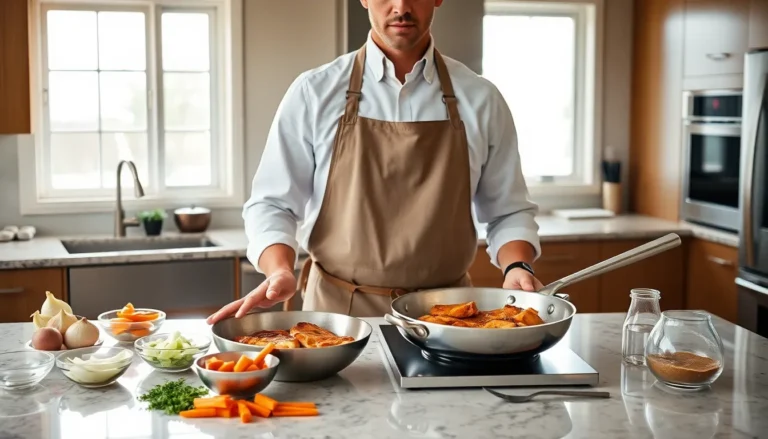
Roasting a chicken at 400°F creates golden skin through the Maillard reaction, a chemical process that browns proteins and sugars. Vegetables like carrots and Brussels sprouts develop sweetness when roasted because high heat caramelizes their natural sugars.
Baking requires precise temperature control. Cakes rise properly at 350°F because leavening agents activate at specific heat levels. These cooking techniques examples demonstrate how oven-based methods deliver consistent, hands-off results.
Sautéing and Pan-Frying
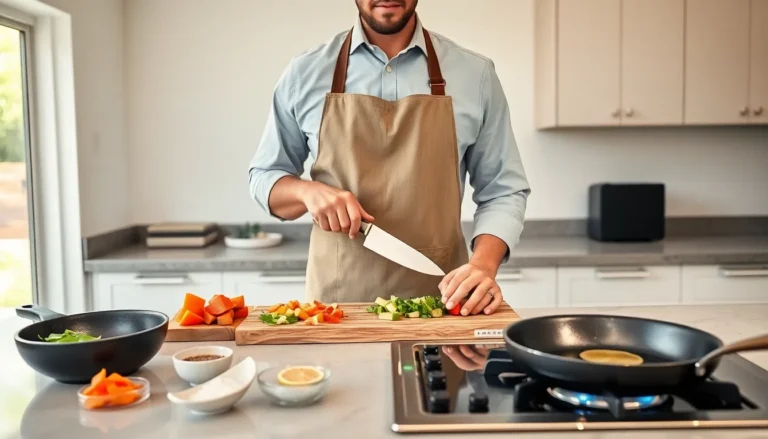
Sautéing uses high heat and a small amount of fat to cook food quickly. The French term means “to jump,” describing how cooks toss ingredients in the pan. This technique works well for thin cuts of meat, shrimp, and sliced vegetables.
Pan-frying uses more fat and lower heat than sautéing. It creates a crispy exterior on foods like breaded chicken cutlets or fish fillets. The oil should reach 325–375°F for proper browning without burning.
Both techniques require a preheated pan. Cold pans cause sticking. A drop of water should sizzle immediately when the pan is ready.
Moist Heat Cooking Techniques
Moist heat cooking techniques use water or steam to transfer heat. These methods preserve moisture in food and work well for tough cuts, delicate proteins, and vegetables that benefit from gentle cooking.
Boiling and Simmering
Boiling occurs at 212°F at sea level. Large bubbles break the surface continuously. This method suits pasta, potatoes, and blanching vegetables before freezing.
Simmering happens between 180–205°F. Small bubbles rise gently from the bottom. Stocks, soups, and braises benefit from simmering because it extracts flavor without breaking down ingredients too quickly.
A common mistake: boiling delicate foods like eggs or fish. High agitation toughens proteins. These cooking techniques examples show why temperature precision matters.
Steaming and Poaching
Steaming cooks food above boiling water without direct contact. Vegetables retain more nutrients through steaming than boiling because vitamins don’t leach into cooking liquid. Fish, dumplings, and rice cook beautifully with steam.
Poaching submerges food in liquid between 160–180°F. Eggs poached in gently moving water hold their shape. Chicken breasts poached in broth stay moist because the low temperature prevents protein fibers from squeezing out moisture.
Both techniques offer healthy cooking options since they require no added fat.
Combination Cooking Methods
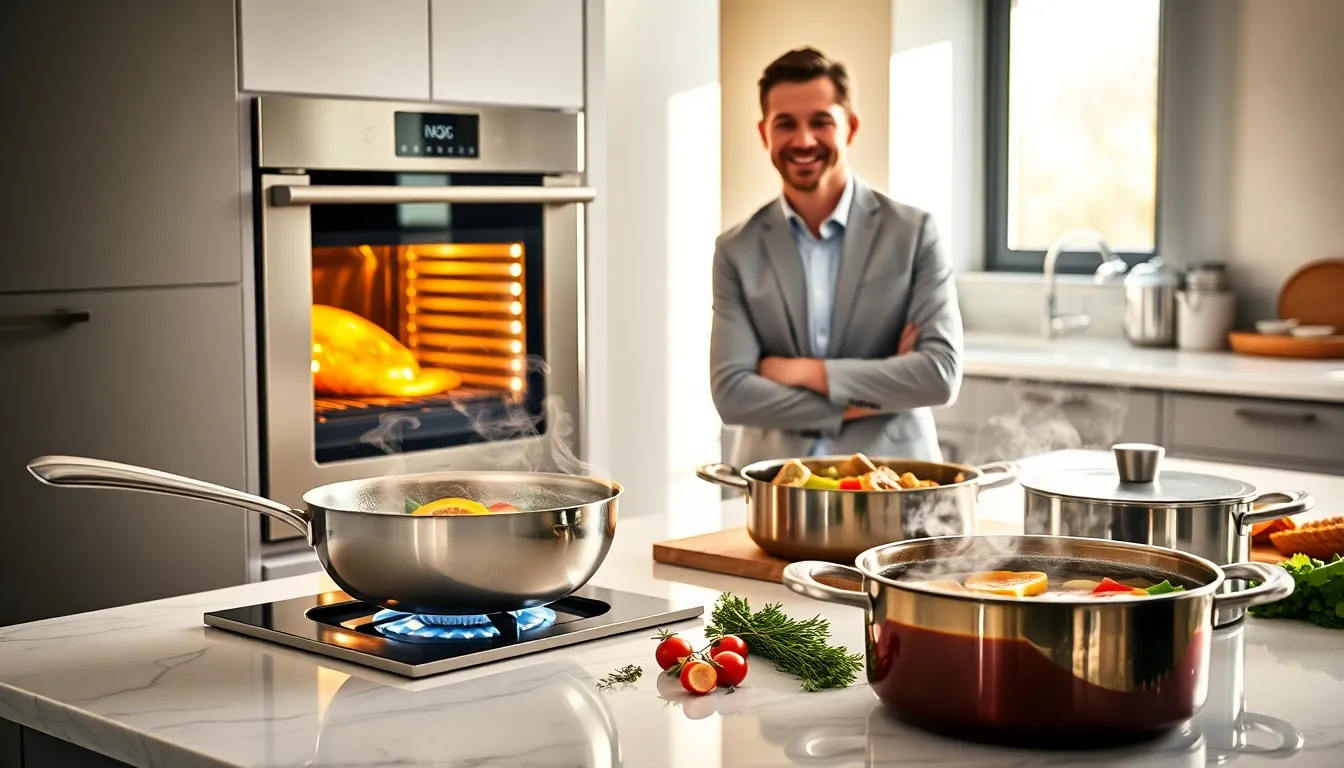
Combination cooking methods use both dry and moist heat in sequence. These techniques break down tough connective tissue while developing flavor through browning.
Braising starts with searing meat in a hot pan. This creates a flavorful crust. Then the meat simmers in liquid at low heat for hours. Pot roast, osso buco, and short ribs become fork-tender through braising.
Stewing follows similar principles but uses smaller pieces of meat fully submerged in liquid. Beef stew and chicken cacciatore are classic examples.
These cooking techniques examples solve a specific problem: tough, inexpensive cuts contain collagen that becomes gelatin when cooked slowly with moisture. The result? Rich, silky sauces and meat that falls apart.
Braising temperatures typically range from 275–325°F in a covered pot. Cooking time varies from two to four hours depending on the cut size.
How to Choose the Right Technique for Your Dish
Selecting cooking techniques depends on three factors: the ingredient, the desired texture, and available time.
Consider the ingredient. Tender cuts like filet mignon benefit from dry heat methods like searing or roasting. Tough cuts like chuck roast need combination methods that break down collagen. Delicate fish works well with gentle moist heat like poaching or steaming.
Think about texture. Want crispy skin? Use dry heat. Prefer moist, fall-apart meat? Choose braising. These cooking techniques examples show how method determines outcome.
Factor in time. Sautéing takes minutes. Braising takes hours. Weeknight dinners often call for quick dry heat methods, while weekend cooking allows time for slow braises.
Here’s a quick reference:
| Ingredient Type | Best Techniques |
|---|---|
| Tender meats | Roasting, sautéing, grilling |
| Tough cuts | Braising, stewing |
| Vegetables | Roasting, steaming, sautéing |
| Delicate fish | Poaching, steaming |
| Pasta and grains | Boiling, simmering |
Experimentation builds intuition. Try the same ingredient with different cooking techniques to understand how each method affects flavor and texture.