Cooking techniques and strategies separate confident home cooks from those who struggle with every meal. Anyone can follow a recipe, but understanding why certain methods work transforms results in the kitchen. Searing, braising, sautéing, these aren’t just fancy terms. They’re foundational skills that make food taste better.
This guide breaks down the essential cooking techniques every home cook needs. From dry-heat methods that create golden crusts to moist-heat approaches that turn tough cuts tender, these strategies build a solid foundation. Readers will also learn preparation tactics and time management tips that professional chefs rely on daily.
Table of Contents
ToggleKey Takeaways
- Mastering cooking techniques like sautéing, braising, and roasting transforms you from recipe-follower to confident home cook.
- Dry-heat methods create browning and crispy textures, while moist-heat techniques turn tough, affordable cuts into tender meals.
- Salt meat 45 minutes to 24 hours before cooking for juicier results—timing matters more than most cooks realize.
- Build flavor foundations by properly cooking aromatics until translucent before adding other ingredients.
- Practice mise en place by prepping and organizing all ingredients before cooking to reduce stress and prevent burning.
- Clean as you go and plan your cooking order so every dish reaches the table at the right temperature.
Fundamental Dry-Heat Cooking Methods
Dry-heat cooking techniques use air, fat, or direct heat to cook food without liquid. These methods create browning, caramelization, and crispy textures that moist-heat approaches can’t replicate.
Sautéing and Pan-Frying
Sautéing involves cooking small pieces of food quickly in a hot pan with minimal fat. The word comes from the French “sauter,” meaning to jump, and that’s exactly what the food should do. Home cooks should heat their pan before adding oil, then wait until the oil shimmers before adding ingredients.
Pan-frying uses more fat and works better for larger items like chicken breasts or fish fillets. The key cooking technique here is patience. Let the protein develop a crust before flipping. Moving food too early prevents proper browning.
Roasting and Baking
Roasting uses dry oven heat to cook food evenly on all sides. Vegetables caramelize beautifully when roasted at 400-425°F. Meats develop deep flavor through the Maillard reaction, the chemical process that creates golden-brown color and complex taste.
Baking typically refers to breads, pastries, and casseroles. Both cooking techniques benefit from preheating the oven fully. An oven thermometer helps ensure accuracy since most ovens run hot or cold by 25 degrees or more.
Grilling and Broiling
Grilling applies direct heat from below, while broiling applies it from above. Both create excellent char and smoky flavors. For grilling success, cooks should clean their grates thoroughly and oil the food rather than the grill surface.
These dry-heat cooking strategies work best for tender cuts of meat and vegetables that don’t need long cooking times to become palatable.
Moist-Heat Techniques for Tender Results
Moist-heat cooking techniques use water, stock, or steam to transfer heat. These methods excel at breaking down tough connective tissues in less expensive cuts of meat.
Braising and Stewing
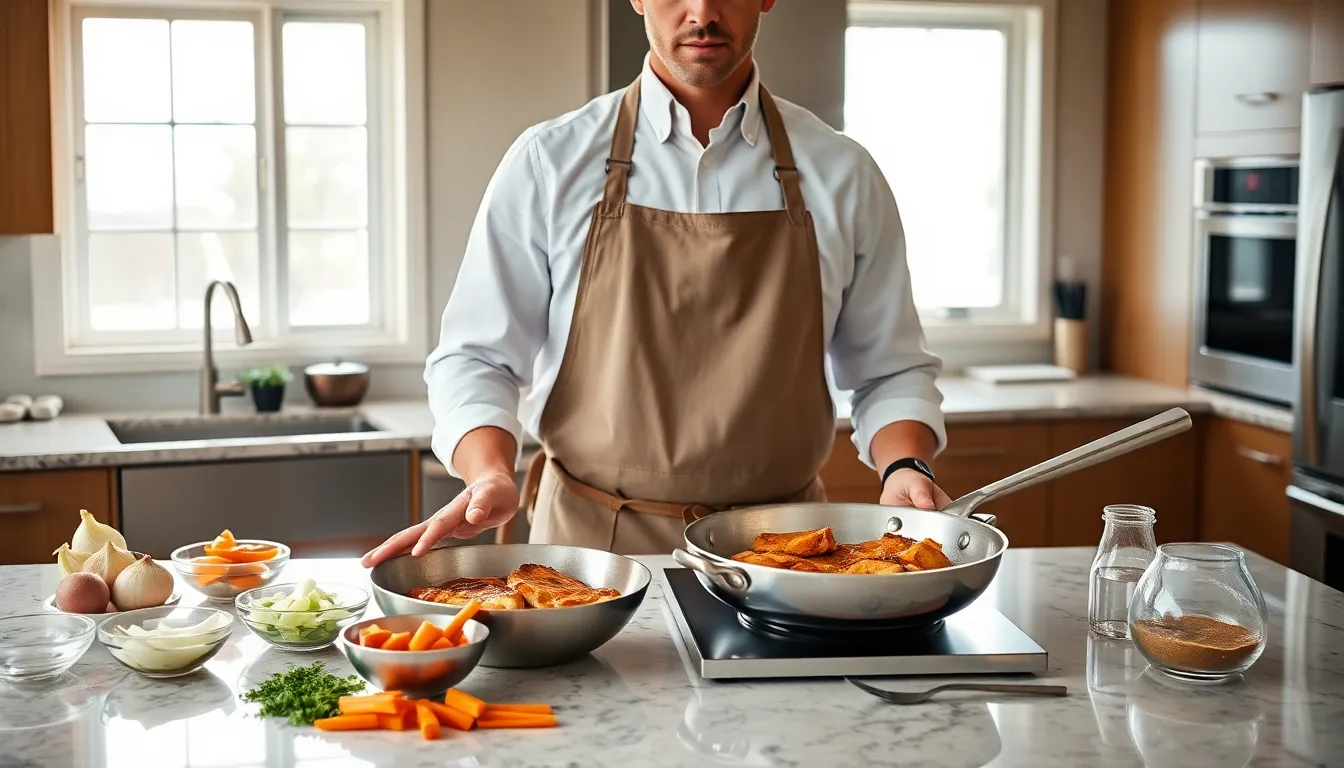
Braising combines dry and moist heat. Cooks first sear meat to develop flavor, then add liquid and cook slowly at low temperatures. A classic pot roast uses this technique. The collagen in tough cuts converts to gelatin over several hours, creating fork-tender results.
Stewing submerges smaller pieces of food completely in liquid. Both cooking techniques benefit from low temperatures, ideally between 275-325°F in the oven or a gentle simmer on the stovetop. Rushing these methods produces tough, chewy meat.
Poaching and Simmering
Poaching cooks delicate proteins like fish and eggs in liquid held just below the boiling point (160-180°F). Small bubbles should rise occasionally, but the water shouldn’t roll. This cooking technique preserves moisture and prevents proteins from becoming rubbery.
Simmering runs slightly hotter (185-205°F) and works well for soups, stocks, and sauces. The consistent gentle movement extracts flavor from bones and aromatics without making liquids cloudy.
Steaming
Steaming uses water vapor to cook food without direct contact with liquid. Vegetables retain more nutrients through steaming compared to boiling. Fish steams beautifully and stays incredibly moist.
These moist-heat cooking strategies reward patience. They transform affordable ingredients into memorable meals.
Building Flavor Through Preparation Strategies
Great cooking techniques mean nothing without proper flavor development. Smart preparation strategies separate average dishes from outstanding ones.
Seasoning and Marinating
Salt does more than add flavor, it changes protein structure and helps food retain moisture. Salting meat 45 minutes before cooking (or 24 hours for larger cuts) produces juicier results than seasoning right before heat application.
Marinades containing acid, oil, and aromatics add complexity. But, acid only penetrates about 1/8 inch into meat. Marinades work better for flavor on the surface than for tenderizing throughout. Dry rubs often deliver more concentrated taste.
Aromatics and the Flavor Base
Most cuisines start dishes with a flavor base of aromatic vegetables. French cooking uses mirepoix (onion, carrot, celery). Italian cuisine relies on soffritto. Cajun cooking starts with the “holy trinity” (onion, celery, bell pepper).
Cooking these aromatics properly makes a significant difference. They should soften and become translucent before other ingredients join the pan. Rushing this step produces harsh, underdeveloped flavors.
Deglazing and Sauce Building
After searing meat, brown bits (called fond) stick to the pan bottom. These contain concentrated flavor. Adding wine, stock, or other liquid releases this flavor through deglazing, one of the most valuable cooking techniques for home cooks to master.
The resulting liquid becomes the foundation for pan sauces. A splash of acid (vinegar or citrus) at the end brightens flavors. A pat of cold butter adds richness and body.
Time Management and Mise en Place
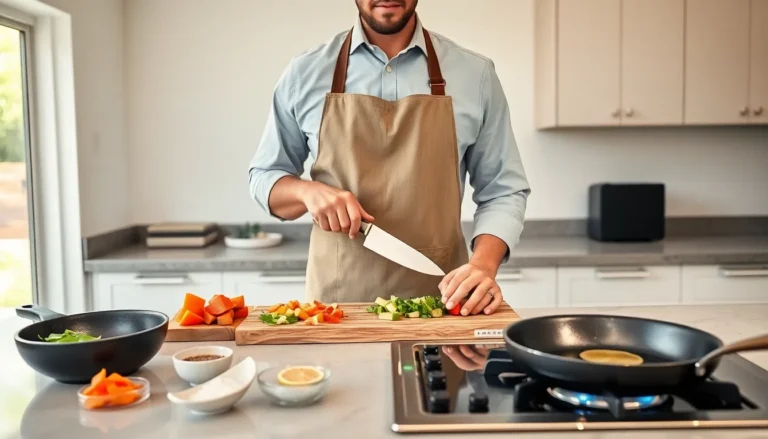
Professional chefs rely on “mise en place”, a French term meaning “everything in its place.” This cooking strategy involves preparing and organizing all ingredients before heat touches the pan.
Why Mise en Place Matters
Cooking moves fast. Once garlic hits hot oil, cooks have seconds before it burns. Searching for the next ingredient while something scorches creates stress and poor results.
Mise en place eliminates this chaos. Home cooks should read recipes completely, gather all ingredients, and complete all prep work before turning on the stove. Measuring spices, chopping vegetables, and portioning proteins ahead of time transforms the cooking experience.
Planning Your Cooking Order
Smart cooking strategies consider which dishes need attention and when. Items that hold well at room temperature should finish first. Dishes requiring last-minute attention cook last.
For example, roasted vegetables can rest while a quick pan sauce comes together. Salads get dressed at the final moment to prevent wilting. Planning this sequence means everything reaches the table at the proper temperature.
Building Kitchen Efficiency
Cleaning as you go keeps workspace manageable. While something simmers, cooks can wash cutting boards and prep bowls. This cooking technique, really a habit, reduces end-of-meal cleanup dramatically.
Organizing tools matters too. Keeping frequently used items within arm’s reach saves time. Sharp knives, quality pans, and reliable thermometers make cooking techniques easier to execute properly.