
Mastering cooking techniques transforms ordinary meals into memorable dishes. Whether someone is just starting out or has years of experience in the kitchen, understanding fundamental methods makes a real difference in flavor, texture, and presentation.
The good news? Most professional chefs rely on the same core techniques day after day. These aren’t secret skills reserved for culinary school graduates. They’re practical methods anyone can learn at home with a bit of practice and patience.
This guide covers the essential cooking techniques every home chef should know. From dry-heat methods like sautéing to moist-heat approaches like braising, each technique serves a specific purpose. Learning when and how to use them opens up countless possibilities in the kitchen.
Table of Contents
ToggleKey Takeaways
- Mastering core cooking techniques like sautéing, roasting, and braising transforms everyday meals into flavorful, restaurant-quality dishes.
- Dry-heat cooking techniques create browning and crispy textures through the Maillard reaction, while moist-heat methods tenderize tough cuts of meat.
- Proper heat control is essential—too low causes greasy food, too high burns the exterior before the interior cooks through.
- Braising and stewing require patience, often 2-4 hours, to break down collagen and create tender, silky textures.
- Use mise en place (prepping all ingredients before cooking) and invest in an instant-read thermometer to improve your cooking techniques immediately.
- Practice one technique at a time and treat mistakes as learning opportunities to build lasting kitchen skills.
Dry-Heat Cooking Methods
Dry-heat cooking techniques use air, fat, or metal to transfer heat to food. These methods create browning, caramelization, and crispy textures that moist-heat methods simply can’t achieve. The Maillard reaction, that delicious browning on a seared steak or roasted vegetables, happens exclusively through dry-heat cooking.
Understanding these cooking techniques helps home chefs build flavor from the first step of a recipe.
Sautéing and Pan-Frying
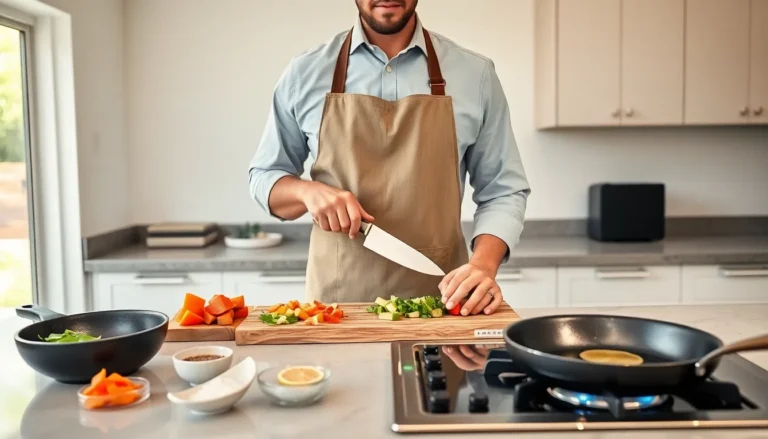
Sautéing involves cooking food quickly in a small amount of fat over medium-high to high heat. The term comes from the French word “sauter,” meaning “to jump.” Food should literally move around the pan during this process.
Key principles for successful sautéing include:
- Heat the pan before adding oil
- Don’t overcrowd the pan (this causes steaming instead of browning)
- Cut ingredients into uniform sizes for even cooking
- Keep food moving with a spatula or by shaking the pan
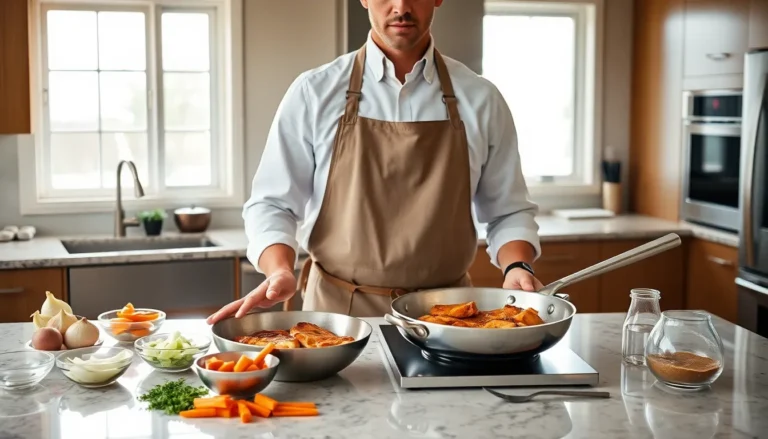
Pan-frying uses more fat than sautéing and typically involves larger pieces of food. Chicken cutlets, fish fillets, and pork chops work well with this technique. The food sits in the pan longer, developing a golden crust on each side.
Both cooking techniques require attention to heat control. Too low, and food absorbs excess oil. Too high, and the exterior burns before the interior cooks through.
Roasting and Baking
Roasting and baking both use dry, indirect heat from an oven. The main difference lies in the structure of the food being cooked. Baking typically refers to breads, pastries, and casseroles. Roasting applies to meats, vegetables, and other solid foods.
Effective roasting requires:
- Preheating the oven completely
- Using a shallow pan that allows air circulation
- Positioning food to promote even browning
- Allowing adequate space between items
Roasting vegetables at high temperatures (400-425°F) creates caramelization on the edges while keeping interiors tender. Lower temperatures work better for large cuts of meat that need time to cook through without drying out.
These cooking techniques reward patience. Rushing the process usually means sacrificing texture and flavor.
Moist-Heat Cooking Methods
Moist-heat cooking techniques use water, stock, or steam to transfer heat. These methods work at lower temperatures than dry-heat cooking, water can only reach 212°F at sea level. The tradeoff? Moist heat breaks down tough proteins and connective tissues, turning inexpensive cuts into tender, flavorful dishes.
Braising and Stewing
Braising combines dry and moist cooking techniques. First, meat gets seared in a hot pan to develop a brown crust. Then it simmers in a small amount of liquid in a covered pot for an extended period.
Braising works best with:
- Tough cuts like chuck roast, short ribs, or pork shoulder
- Root vegetables such as carrots, parsnips, and potatoes
- Flavorful liquids including wine, stock, or tomato sauce
Stewing follows similar principles but uses more liquid and smaller pieces of food. The ingredients cook completely submerged, creating both tender meat and a rich sauce simultaneously.
Both cooking techniques benefit from low temperatures and long cook times. A braise might need 2-4 hours to fully break down collagen into gelatin. This conversion creates that silky, unctuous texture in the final dish.
Many home chefs underestimate these techniques. They assume slow cooking means less skill. In reality, successful braising requires proper searing, the right liquid-to-meat ratio, and careful temperature management throughout the process.
Combination and Advanced Techniques
Some cooking techniques blend multiple methods or require more precision. These approaches often yield the most impressive results.
Stir-frying combines elements of sautéing with extremely high heat. A wok concentrates heat at the bottom while keeping sides cooler. Ingredients move constantly, cooking in seconds rather than minutes. This technique demands preparation, every ingredient must be cut and ready before the wok gets hot.
Sous vide cooking uses precise temperature control to cook food in vacuum-sealed bags. Water circulates at exact temperatures, sometimes for hours. A steak cooked sous vide at 130°F will be medium-rare from edge to edge. A quick sear afterward adds the crust that sous vide alone can’t provide.
Deep-frying surrounds food completely with hot fat, cooking all surfaces simultaneously. Temperature control matters enormously here. Oil that’s too cool produces greasy food. Oil that’s too hot burns the exterior before cooking the interior.
These advanced cooking techniques build on fundamentals. Stir-frying requires sautéing skills. Sous vide often finishes with searing. Understanding basic methods makes advanced ones more approachable.
Tips for Improving Your Cooking Skills
Learning cooking techniques takes practice, but smart strategies accelerate progress.
Start with mise en place. This French term means “everything in its place.” Prep all ingredients before cooking begins. Read recipes completely. Gather equipment. This habit prevents scrambling mid-recipe and reduces mistakes.
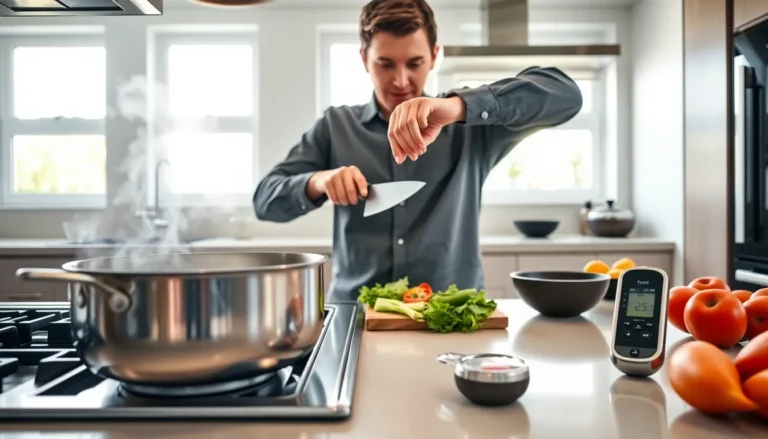
Invest in a good thermometer. Internal temperatures remove guesswork from meat cooking. No more cutting into chicken to check doneness or serving overcooked pork chops. A reliable instant-read thermometer costs under $20 and improves results immediately.
Practice one technique at a time. Rather than attempting a complex dish with multiple cooking techniques, focus on mastering individual skills. Sauté vegetables three nights in a row. Roast a chicken every Sunday for a month. Repetition builds muscle memory and confidence.
Taste as you go. Professional chefs constantly taste their food during cooking. This habit helps develop palate awareness and catches seasoning issues before they reach the table.
Learn from mistakes. Burned garlic, overcooked eggs, and underseasoned soups happen to everyone. Each failure teaches something about heat, timing, or flavor balance. The best home chefs treat mistakes as data points rather than disasters.
Consistent practice with core cooking techniques produces noticeable improvement within weeks. Skills compound over time, a solid sauté leads to better stir-fries, which leads to more ambitious dishes.