Cooking techniques tips can transform an average home cook into someone who genuinely enjoys making meals. The difference between a soggy stir-fry and a perfectly caramelized one often comes down to a few core skills. Heat control, knife work, cooking methods, and seasoning form the foundation of great cooking. These aren’t secrets reserved for professional chefs. They’re practical skills anyone can develop with practice and the right guidance. This article breaks down essential cooking techniques tips that will sharpen your kitchen abilities and help you cook with more confidence.
Table of Contents
ToggleKey Takeaways
- Mastering heat control is one of the most essential cooking techniques tips—always preheat your pan until oil shimmers before adding ingredients.
- Use the pinch grip and claw hand position for safer, more precise knife work in the kitchen.
- Match your cooking method to the ingredient: use dry heat for tender cuts and wet heat for tougher meats that need time to break down.
- Season in layers throughout the cooking process rather than just at the end to build deeper, more complex flavors.
- Taste your food constantly while cooking to catch and correct seasoning issues before serving.
- Balance salt, acid, fat, and heat to create dishes that taste complete and satisfying.
Master the Fundamentals of Heat Control
Heat control separates good cooks from frustrated ones. Many kitchen mishaps, burnt garlic, unevenly cooked meat, or mushy vegetables, trace back to temperature mistakes.
Understanding Your Stovetop
Gas and electric stoves behave differently. Gas offers instant heat adjustments, while electric burners retain heat longer. Home cooks should learn how their specific stove responds. A medium setting on one range might run hotter than another.
High Heat vs. Low Heat Applications
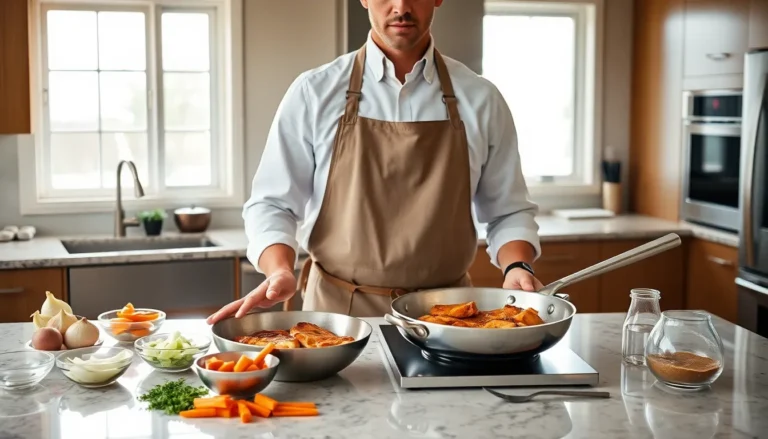
High heat works best for searing steaks, stir-frying vegetables, and achieving a golden crust. The pan should be hot before food touches it. If meat doesn’t sizzle immediately, the pan isn’t ready.
Low heat suits delicate tasks like melting chocolate, simmering sauces, and cooking eggs gently. Rushing these with high heat leads to scorching or curdling.
Preheating Matters
One of the most overlooked cooking techniques tips involves patience with preheating. Cold pans cause food to stick and steam instead of sear. Give your pan two to three minutes over medium-high heat before adding oil. Then wait until the oil shimmers before adding ingredients.
Temperature awareness also means knowing when to adjust. If food browns too quickly, reduce the heat. If nothing happens after a minute, increase it.
Perfect Your Knife Skills
A sharp knife and proper technique make cooking faster and safer. Dull knives require more pressure, which increases the chance of slipping.
The Basic Grip
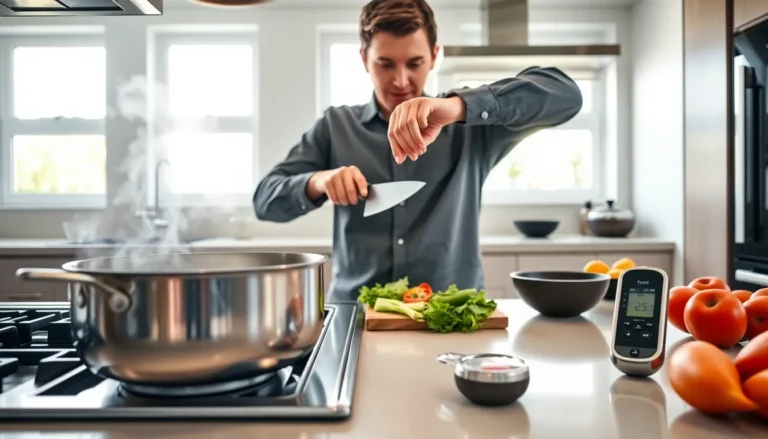
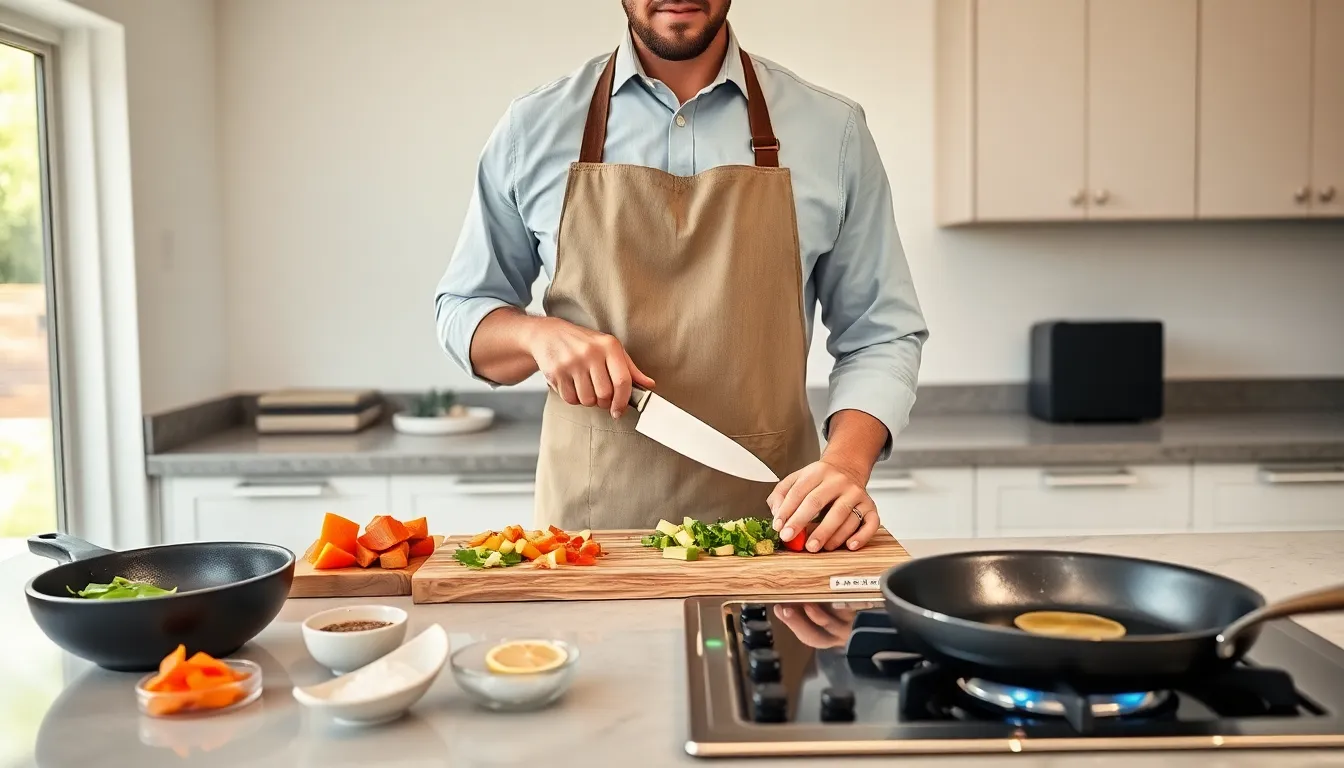
Hold the knife with your thumb and index finger gripping the blade just past the handle. This grip, called the pinch grip, provides control and precision. The remaining fingers wrap around the handle.
Protect Your Fingers
The non-knife hand should form a claw shape over the food. Fingertips curl under while knuckles guide the blade. This keeps fingers away from the cutting edge.
Essential Cuts Every Cook Should Know
Dice: Cut food into uniform cubes. Size matters for even cooking.
Julienne: Slice into thin matchstick strips. Great for stir-fries and salads.
Chiffonade: Stack leafy herbs, roll them tightly, and slice into thin ribbons.
Mince: Chop very finely. Essential for garlic and ginger.
These cooking techniques tips apply to almost every recipe. Consistent cuts mean consistent cooking times. A mix of large and small vegetable pieces leads to some burning while others stay raw.
Keep Your Knife Sharp
A honing steel realigns the blade between uses. True sharpening with a whetstone or professional service should happen a few times per year. Sharp knives require less force and offer better control.
Learn When to Use Dry vs. Wet Cooking Methods
Cooking methods fall into two categories: dry heat and wet heat. Each produces different textures and flavors.
Dry Heat Methods
Dry heat methods include roasting, grilling, sautéing, and baking. These techniques use air or fat to transfer heat. They create browning through the Maillard reaction, that delicious crust on a seared steak or roasted chicken.
Dry methods work well for tender cuts of meat, most vegetables, and foods where a crispy exterior matters. High temperatures and minimal moisture encourage caramelization.
Wet Heat Methods
Braising, steaming, poaching, and boiling use water or other liquids to cook food. These methods suit tougher cuts of meat that need time to break down. A beef chuck roast becomes tender after hours of braising but stays chewy if grilled.
Steaming preserves nutrients better than boiling. The food never touches water directly, so vitamins don’t leach out.
Choosing the Right Method
Consider the ingredient first. Tough cuts with connective tissue benefit from low, slow, wet cooking. Tender ingredients like fish fillets or zucchini cook quickly with dry heat.
These cooking techniques tips help cooks match method to ingredient. A beautiful piece of salmon doesn’t need hours of braising. A beef shank absolutely does.
Seasoning and Tasting as You Cook
Salt transforms food. But timing and quantity require attention.
Season in Layers
Add salt at multiple stages, not just at the end. Season the meat before searing. Salt the water for pasta. Taste the sauce halfway through and adjust. Layered seasoning builds depth.
Taste Constantly
Professional chefs taste their food repeatedly during cooking. Home cooks should adopt this habit. A dish might need more acid, salt, or heat, but you won’t know without tasting.
Keep a small spoon nearby. Taste after adding ingredients. Taste before serving. This simple cooking techniques tip prevents bland or over-seasoned meals.
Beyond Salt
Acid brightens flavors. A squeeze of lemon or splash of vinegar can wake up a flat dish. Fat carries flavor and adds richness. A pat of butter stirred into a sauce at the end creates a silky finish.
Heat from chili flakes or black pepper adds dimension. Balance these elements, salt, acid, fat, and heat, for food that tastes complete.
Common Seasoning Mistakes
Adding salt only at the table means flavors never penetrate the food. Forgetting acid leaves dishes one-dimensional. Fearing salt creates bland meals. Trust your palate and adjust as you go.