Cooking techniques and tools form the foundation of every successful kitchen. A home chef who masters both can transform simple ingredients into memorable meals. The right pan paired with the proper method makes all the difference between a soggy stir-fry and a perfectly seared dish.
This guide covers the essential cooking techniques every home cook should learn, the must-have tools that belong in every kitchen, and how to match equipment to methods for the best results. Whether someone is just starting out or looking to level up their skills, understanding this relationship between technique and tools is the fastest path to better cooking.
Table of Contents
ToggleKey Takeaways
- Mastering five fundamental cooking techniques—sautéing, roasting, braising, blanching, and pan-frying—gives you the skills to tackle most recipes confidently.
- Essential cooking tools include a quality chef’s knife, 12-inch stainless steel skillet, cast iron pan, and Dutch oven for versatile everyday use.
- Matching the right tools to each technique is critical: use sloped-sided pans for sautéing, heavy sheet pans for roasting, and tight-lidded Dutch ovens for braising.
- Build your kitchen tool collection gradually, starting with basics and upgrading strategically as your cooking techniques improve.
- Prioritize quality over quantity—one excellent knife or cast iron skillet will outperform and outlast multiple cheaper alternatives.
- Proper maintenance of your cooking tools, including regular knife honing and immediate drying of cast iron, ensures peak performance for years.
Fundamental Cooking Techniques to Learn First
Every home chef should start with a handful of core cooking techniques. These methods appear in recipes across every cuisine, and mastering them opens doors to hundreds of dishes.
Sautéing involves cooking food quickly in a small amount of fat over medium-high heat. The word comes from the French “to jump,” and that’s exactly what ingredients should do in the pan. This technique works best for vegetables, thin cuts of meat, and aromatics like garlic and onions.
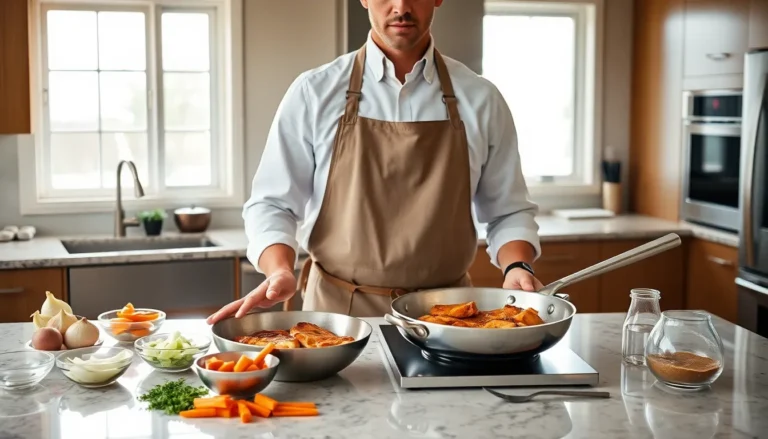
Roasting uses dry heat in an oven to cook food evenly on all sides. It’s ideal for whole chickens, root vegetables, and anything that benefits from caramelization. The key is maintaining consistent temperature and giving food enough space on the pan.
Braising combines dry and wet cooking methods. First, the cook sears meat at high heat, then adds liquid and covers the pot for slow cooking. This technique turns tough cuts tender and creates rich, flavorful sauces.
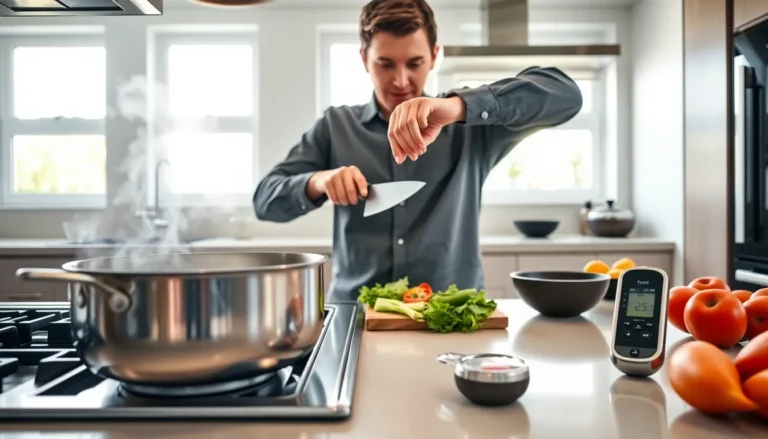
Blanching involves briefly boiling vegetables, then plunging them into ice water to stop the cooking process. This preserves color, texture, and nutrients. It’s essential for meal prep and freezing produce.
Pan-frying uses more oil than sautéing but less than deep-frying. Food cooks in a single layer, developing a crispy exterior while staying moist inside. Think chicken cutlets, fish fillets, and potato pancakes.
These five cooking techniques form the backbone of home cooking. A chef who can execute them well has the skills to tackle most recipes with confidence.
Must-Have Kitchen Tools for Everyday Cooking
Good cooking techniques require the right tools. A well-equipped kitchen doesn’t need dozens of gadgets, just quality basics that perform multiple functions.
Knives
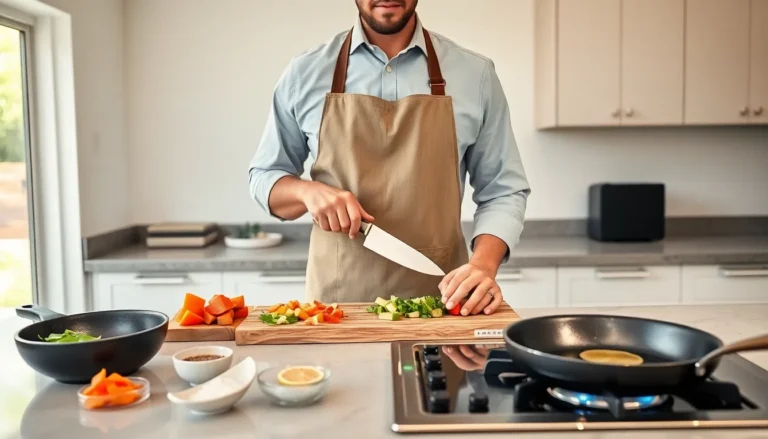
Three knives handle 90% of kitchen tasks. A chef’s knife (8-10 inches) manages most chopping, slicing, and dicing. A paring knife handles detail work like deveining shrimp or hulling strawberries. A serrated bread knife cuts through crusty loaves without crushing them.
Cookware
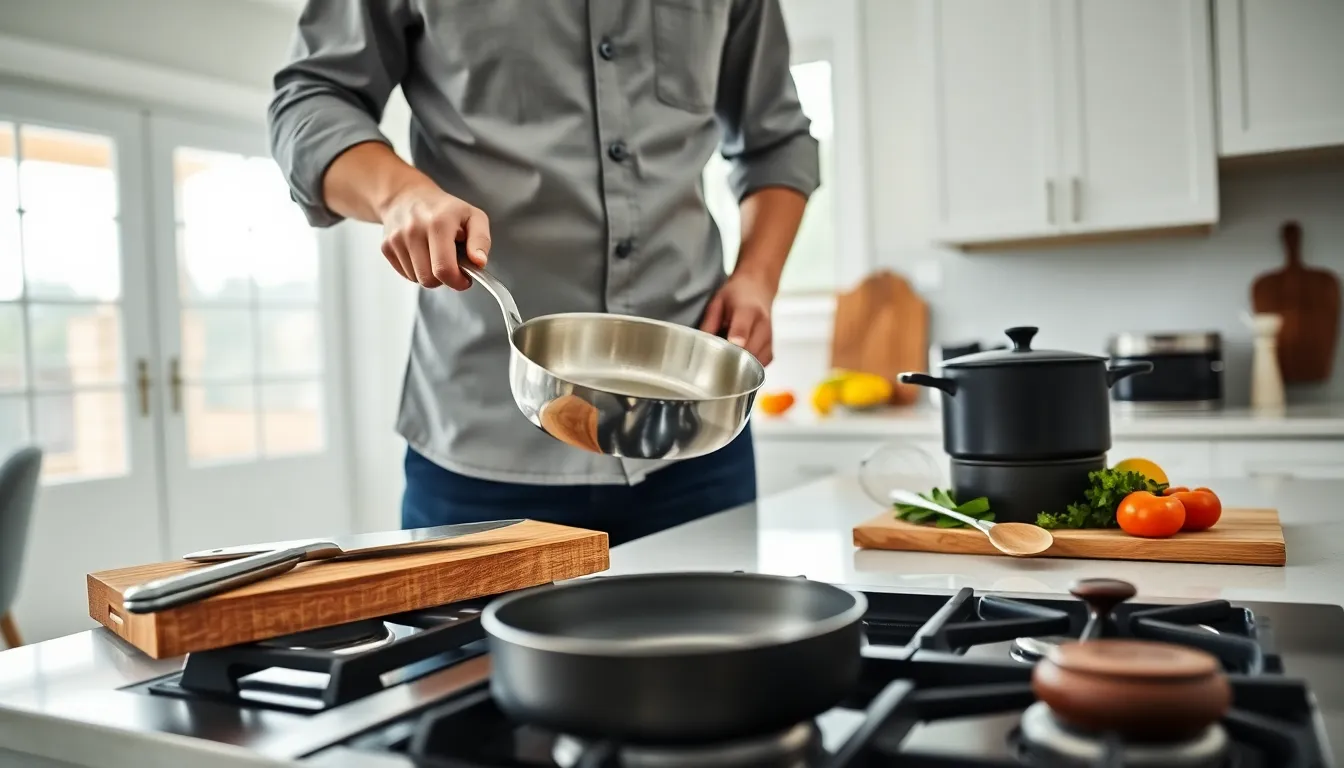
A 12-inch stainless steel skillet is the workhorse of cooking tools. It handles high-heat searing, pan sauces, and oven finishing. A cast iron pan excels at heat retention, perfect for steaks and cornbread. A Dutch oven (5-7 quarts) manages soups, stews, braises, and even bread baking.
For everyday use, one large pot (8 quarts) handles pasta, stocks, and blanching. A medium saucepan (3 quarts) covers sauces, grains, and smaller batches of soup.
Essential Utensils
A wooden spoon won’t scratch cookware or conduct heat. A fish spatula’s thin, flexible edge slides under delicate foods. Tongs act as an extension of the cook’s hand for flipping, turning, and serving.
A reliable instant-read thermometer removes guesswork from cooking proteins. A microplane zester grates citrus, garlic, and hard cheeses in seconds. These tools may seem small, but they improve cooking techniques dramatically.
Cutting Boards
Every kitchen needs at least two cutting boards: one for raw meat and one for everything else. Wooden boards are gentle on knife edges. Plastic boards go in the dishwasher for easy sanitizing.
Matching the Right Tools to Each Technique
The relationship between cooking techniques and tools determines success in the kitchen. Using the wrong equipment makes even simple tasks frustrating.
Sautéing demands a pan with sloped sides so ingredients can move freely. A stainless steel or carbon steel skillet heats quickly and allows fond (those brown bits) to develop. Non-stick pans work for eggs and fish but won’t create the same flavor-building residue.
Roasting requires heavy sheet pans or roasting pans that won’t warp at high temperatures. A wire rack elevates meat, allowing air to circulate and fat to drip away. For vegetables, a rimmed baking sheet provides enough space for even browning.
Braising needs a heavy pot with a tight-fitting lid. Cast iron Dutch ovens distribute heat evenly and move from stovetop to oven seamlessly. The weight of the lid traps moisture, keeping braises tender.
Blanching calls for a large pot with plenty of water to maintain temperature when vegetables go in. A spider strainer or slotted spoon retrieves food quickly. A bowl of ice water nearby stops cooking instantly.
Pan-frying works best in a cast iron skillet or heavy-bottomed stainless pan. These materials maintain steady heat even when cold food enters the oil. A splatter screen protects the cook while allowing steam to escape.
Matching cooking techniques to proper tools isn’t about buying expensive equipment. It’s about understanding what each method requires and choosing accordingly.
How to Build Your Kitchen Tool Collection
Building a collection of cooking tools takes time and intention. Smart shoppers start with essentials and add specialized items as their skills grow.
Start With the Basics
Begin with a chef’s knife, cutting board, one good skillet, and a large pot. These four items handle most cooking techniques a beginner will attempt. Buy the best quality affordable, cheap tools frustrate users and wear out quickly.
Upgrade Strategically
Once a cook masters basic techniques, gaps in their tool collection become obvious. Someone who makes a lot of soups might invest in an immersion blender. A home chef who loves baking will eventually need proper measuring equipment and a stand mixer.
Quality Over Quantity
One excellent knife outperforms a drawer full of mediocre blades. A single cast iron skillet that lasts generations beats three non-stick pans that need replacing every few years. Cooking tools should be investments, not disposable purchases.
Buy Used When Possible
Cast iron, stainless steel, and quality knives last forever with proper care. Estate sales, thrift stores, and restaurant supply shops offer professional-grade tools at fraction of retail prices. Older equipment often surpasses modern versions in durability.
Maintain What You Own
Sharp knives, seasoned cast iron, and clean stainless steel perform better than neglected equipment. Learn proper care for each tool: honing knives regularly, drying cast iron immediately, and storing items properly.
A thoughtful approach to collecting cooking tools means a home chef always has what they need without cluttering their kitchen with gadgets they’ll never use.