Cooking techniques trends 2026 are transforming how people prepare food at home and in professional kitchens. From precision fermentation to AI-assisted meal prep, the way cooks approach their craft is shifting fast. These changes reflect a growing demand for sustainability, efficiency, and bold new flavors. Whether someone runs a restaurant or simply enjoys weekend cooking, these trends offer practical ways to elevate their skills. This article breaks down the most significant cooking techniques trends 2026 has to offer and explains why they matter.
Table of Contents
ToggleKey Takeaways
- Cooking techniques trends 2026 highlight precision fermentation as an accessible way to create unique flavors and sustainable proteins at home.
- Hybrid cooking methods that combine traditional approaches with modern technology, like sous vide paired with open-flame finishing, deliver superior texture and flavor control.
- Zero-waste cooking has become mainstream, with chefs and home cooks using vegetable scraps, bones, and peels to reduce costs and environmental impact.
- AI-assisted cooking tools now handle repetitive tasks and provide real-time guidance, freeing cooks to focus on creativity and flavor development.
- Global technique blending allows cooks to apply methods from one culinary tradition to ingredients from another, creating innovative dishes built on cultural respect.
The Rise of Precision Fermentation in Everyday Cooking
Precision fermentation is no longer just a lab technique. In 2026, home cooks and chefs are using it to create unique flavors and proteins without traditional animal products. This method uses microorganisms to produce specific compounds, think dairy proteins, fats, and flavor molecules, through controlled fermentation processes.
The cooking techniques trends 2026 show that precision fermentation kits are becoming more accessible. Companies now sell countertop devices that let users ferment their own cheese alternatives, umami-rich pastes, and even egg-like proteins. Chefs use these products to build depth in dishes while reducing their reliance on conventional ingredients.
Why does this matter? Precision fermentation cuts down on resource use. It requires less water and land than traditional farming. For restaurants looking to reduce costs and environmental impact, this technique offers a practical solution. Home cooks enjoy experimenting with flavors they couldn’t access before.
The learning curve exists, but it’s shrinking. Online communities share recipes and troubleshooting tips. As more people adopt precision fermentation, it becomes a standard part of the cooking techniques trends 2026 landscape.
Hybrid Cooking Methods Combining Traditional and Modern Approaches
Hybrid cooking methods blend old techniques with new technology. In 2026, cooks are pairing sous vide with open-flame finishing, or using steam ovens alongside traditional roasting. These combinations produce results that neither method achieves alone.
Consider a steak. A cook might sous vide it to a perfect internal temperature, then sear it over charcoal for smoky flavor and crust. This hybrid approach delivers precision and character. The cooking techniques trends 2026 favor this kind of flexibility.
Professional kitchens lead this movement, but home cooks follow closely. Affordable immersion circulators and combi ovens make hybrid cooking possible outside restaurants. Cooks no longer choose between tradition and innovation, they use both.
This trend also applies to baking. Bakers combine steam injection with convection heat to create artisan-quality crusts at home. They use fermentation schedules informed by temperature-controlled proofing boxes. The result? Bread that rivals bakery output.
Hybrid methods require some experimentation. Timing and sequencing matter. But cooks who master these techniques gain control over texture, flavor, and presentation. The cooking techniques trends 2026 reward those willing to mix the best of both worlds.
Sustainable and Zero-Waste Cooking Techniques Gaining Momentum
Zero-waste cooking has moved from niche practice to mainstream priority. The cooking techniques trends 2026 emphasize using every part of an ingredient. Vegetable scraps become stocks. Meat bones turn into rich broths. Fruit peels transform into candied garnishes or flavor infusions.
Chefs now design menus around waste reduction. They plan dishes that use ingredients completely, from root to leaf. This approach saves money and reduces environmental impact. It also challenges cooks to think creatively about what they would normally discard.
Home cooks adopt these methods too. Freezer scrap bags, where people collect vegetable trimmings for future stock, are common practice. Dehydrators turn fruit and vegetable waste into chips or powders. These techniques extend ingredient value and cut grocery bills.
Sustainable cooking techniques trends 2026 also include energy-efficient methods. Pressure cooking, induction heating, and retained-heat cooking reduce energy consumption. Cooks choose equipment based on efficiency ratings, not just performance.
Regenerative cooking takes this further. Some chefs source ingredients from farms that rebuild soil health. They feature imperfect produce that would otherwise go unsold. This connection between sourcing and technique defines sustainable cooking in 2026.
The shift isn’t just ethical, it’s practical. Zero-waste techniques often produce better flavors. Scraps contain concentrated nutrients and taste. Cooking techniques trends 2026 prove that sustainability and quality go hand in hand.
Smart Kitchen Technology and AI-Assisted Cooking
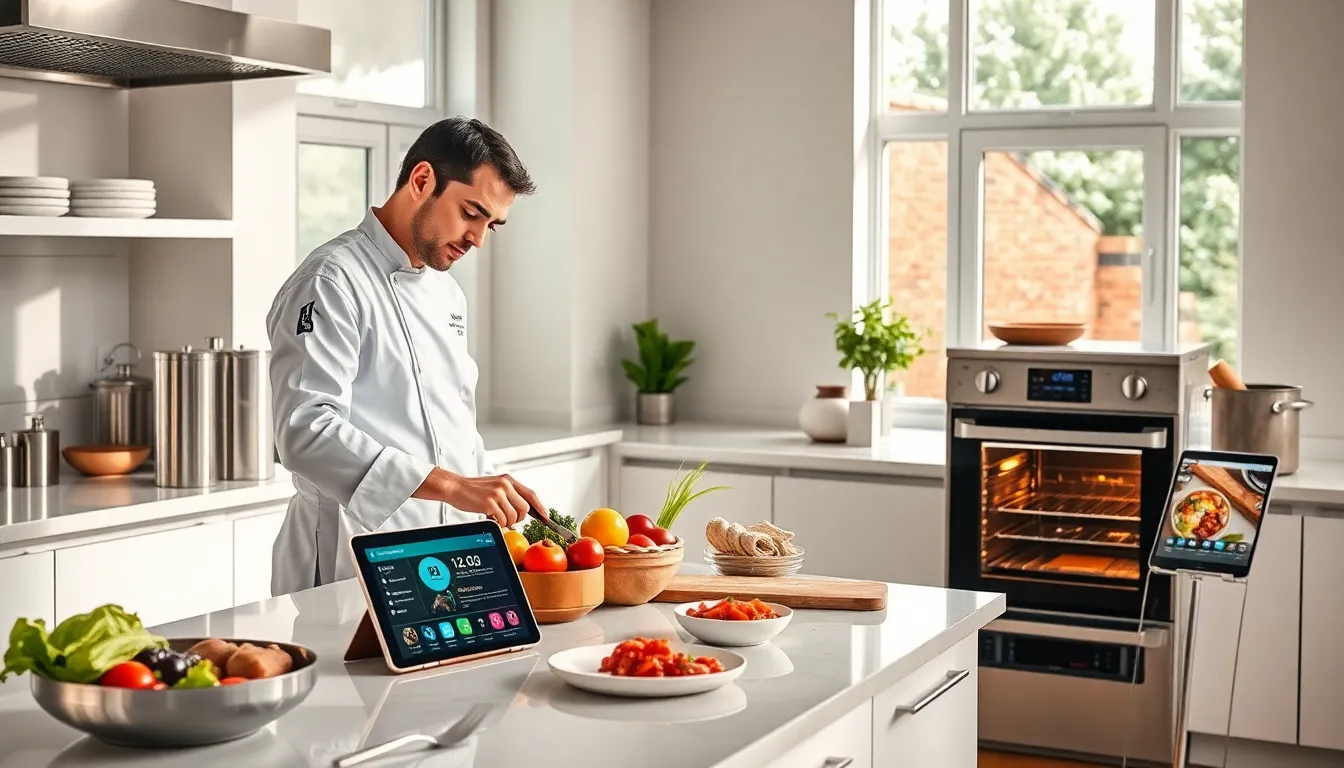
Smart kitchen technology has matured significantly. In 2026, AI-assisted cooking tools guide users through recipes, adjust temperatures automatically, and even suggest ingredient substitutions. These systems learn individual preferences over time.
Smart ovens now recognize food items through cameras and sensors. They select appropriate cooking programs without user input. A cook places a chicken in the oven, and the device determines weight, starting temperature, and optimal cooking time. The cooking techniques trends 2026 make this level of automation standard.
AI recipe assistants have grown more sophisticated. They analyze pantry contents and suggest meals based on available ingredients. They adjust recipes for dietary restrictions or serving sizes. Some systems provide real-time coaching, alerting cooks when to flip, stir, or add ingredients.
Professional kitchens use AI for consistency. Smart systems monitor cooking stations and flag deviations from standards. This reduces errors during busy service periods. Line cooks receive instant feedback on technique.
Skeptics worried that AI would replace cooking skills. The opposite has happened. Smart tools handle repetitive tasks, freeing cooks to focus on creativity and flavor development. The cooking techniques trends 2026 show technology as a partner, not a replacement.
Connectivity matters too. Smart devices sync across platforms, sharing data between appliances. A recipe started on a phone transfers to an oven automatically. This integration simplifies complex cooking processes.
Global Flavor Fusion Through Regional Technique Blending
Cooks in 2026 are borrowing techniques across cultures more freely than ever. The cooking techniques trends 2026 feature combinations like Korean fermentation methods applied to Mexican ingredients, or Japanese knife skills used on French preparations.
This blending goes beyond fusion cuisine. It focuses on technique transfer rather than ingredient mashups. A chef might use Indian tempering methods to finish an Italian pasta dish. Another might apply Chinese wok hei, that smoky breath of the wok, to Mediterranean vegetables.
Social media accelerates this exchange. Cooks share videos demonstrating regional techniques. Viewers adapt these methods to their local ingredients and preferences. Geographic boundaries matter less when technique knowledge spreads instantly.
Restaurants build menus around this philosophy. Diners expect creative combinations that respect source traditions while creating something new. The cooking techniques trends 2026 reward chefs who study multiple culinary traditions deeply.
Home cooks participate too. They learn clay pot cooking from South Asian traditions, then apply it to stews from other regions. They practice hand-pulled noodle techniques and use them with non-traditional sauces.
This trend requires cultural awareness. The best practitioners credit their sources and understand the context behind techniques. Cooking techniques trends 2026 celebrate innovation built on respect and knowledge.