
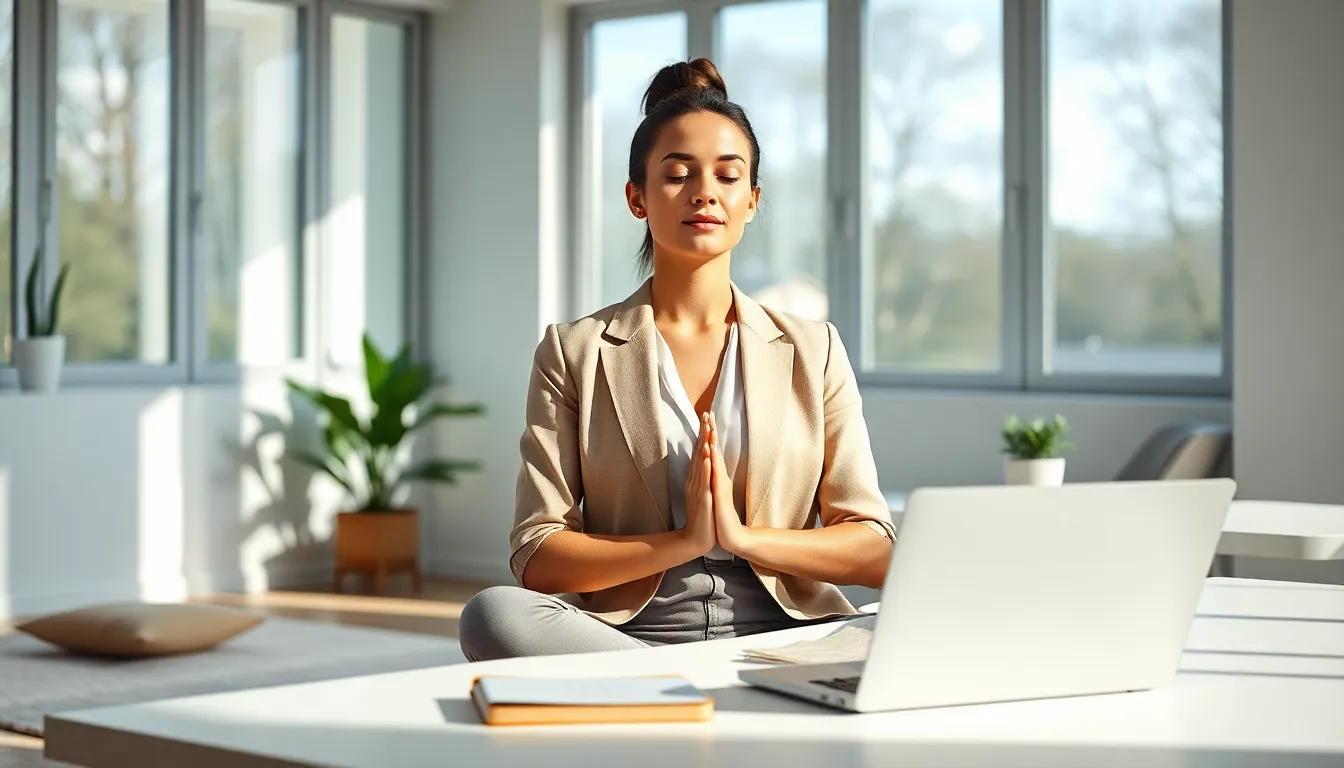
This mindfulness practices guide offers practical techniques anyone can use to reduce stress and find calm. Millions of people struggle with anxiety, racing thoughts, and constant mental chatter. Mindfulness provides a proven way to quiet the noise.
Research from Harvard Medical School shows that regular mindfulness practice changes brain structure. The areas responsible for stress response shrink, while regions linked to focus and emotional regulation grow. These changes happen in as little as eight weeks of consistent practice.
This guide covers the basics of mindfulness, beginner-friendly techniques, and strategies for building lasting habits. Whether someone has five minutes or thirty, these methods fit into any schedule.
Table of Contents
ToggleKey Takeaways
- This mindfulness practices guide shows that just eight weeks of consistent practice can physically change your brain, reducing stress response areas while strengthening focus and emotional regulation.
- Start with just 2 minutes daily—breathing exercises like box breathing or the 4-7-8 technique offer immediate calm and fit any schedule.
- Body scan meditation helps identify where you hold tension and builds non-judgmental awareness of physical sensations.
- Attach mindfulness to existing habits (like brushing teeth or meals) to build lasting routines without relying on willpower alone.
- Thoughts during meditation are normal—success isn’t about emptying your mind but noticing when attention wanders and gently returning to the present.
- Track your progress and stay flexible; something always beats nothing, whether it’s 20 minutes of meditation or 2 mindful breaths at a stoplight.
What Is Mindfulness and Why It Matters
Mindfulness means paying attention to the present moment without judgment. It sounds simple, but most people spend their days mentally somewhere else. They replay past events or worry about future problems. Mindfulness practices guide attention back to right now.
The concept comes from Buddhist meditation traditions but has been studied extensively by Western scientists. Dr. Jon Kabat-Zinn brought mindfulness to mainstream medicine in 1979 with his Mindfulness-Based Stress Reduction (MBSR) program. Since then, thousands of studies have documented its benefits.
Here’s what the research shows:
- Reduced anxiety and depression: A meta-analysis of 47 trials found mindfulness meditation programs improved anxiety, depression, and pain.
- Better focus: Regular practitioners show improved attention spans and working memory.
- Lower blood pressure: Mindfulness practices reduce physiological stress markers.
- Improved sleep: People who practice mindfulness fall asleep faster and stay asleep longer.
Mindfulness matters because stress has become a public health crisis. The American Psychological Association reports that chronic stress contributes to heart disease, obesity, and mental health disorders. Mindfulness offers a free, accessible tool to counteract these effects.
The beauty of mindfulness practices lies in their simplicity. No special equipment is needed. No gym membership required. Just attention and intention.
Essential Mindfulness Practices for Beginners
Starting a mindfulness practice doesn’t require hours of meditation. These two techniques form the foundation of most mindfulness practices and take just minutes to complete.
Breathing Exercises
Breathing exercises are the most accessible mindfulness practice. The breath is always available, making it the perfect anchor for attention.
The 4-7-8 Technique:
- Inhale through the nose for 4 counts
- Hold the breath for 7 counts
- Exhale through the mouth for 8 counts
- Repeat 3-4 times
This breathing pattern activates the parasympathetic nervous system. It shifts the body from “fight or flight” mode into “rest and digest” mode. Many people notice immediate calm after just one cycle.
Box Breathing:
- Inhale for 4 counts
- Hold for 4 counts
- Exhale for 4 counts
- Hold for 4 counts
- Repeat for 2-5 minutes
Navy SEALs use box breathing to stay calm under pressure. If it works in combat, it can work during a stressful meeting or traffic jam.
This mindfulness practices guide recommends starting with just 2 minutes of breathing exercises daily. Consistency beats duration every time.
Body Scan Meditation
Body scan meditation builds awareness of physical sensations. Many people carry tension without realizing it. This practice reveals where stress lives in the body.
How to do a body scan:
- Lie down or sit comfortably
- Close the eyes and take three deep breaths
- Focus attention on the top of the head
- Slowly move attention down through each body part
- Notice sensations without trying to change them
- Continue until reaching the toes
- Take a few breaths to notice the whole body at once
A full body scan takes 15-20 minutes, but shorter versions work too. Even a quick 5-minute scan during lunch provides benefits.
The key is observation without judgment. A tight shoulder isn’t “bad.” It’s just information. This non-judgmental awareness is central to all mindfulness practices.
How to Build a Consistent Mindfulness Routine
Knowing mindfulness techniques is one thing. Actually doing them regularly is another. Here’s how to turn occasional practice into a lasting habit.
Start ridiculously small. The biggest mistake beginners make is committing to 30-minute daily sessions. They miss one day, feel guilty, and quit. Instead, start with 2 minutes. Anyone can find 2 minutes. Once that becomes automatic, gradually increase the time.
Attach mindfulness to existing habits. Habit stacking works because it uses established routines as triggers. Try:
- Breathing exercises right after brushing teeth
- A body scan before getting out of bed
- Three mindful breaths before each meal
This mindfulness practices guide emphasizes anchor points throughout the day. Morning works well because the mind is fresh. But any consistent time beats no practice at all.
Create environmental cues. Put a meditation cushion in plain sight. Set phone reminders. Use a mindfulness app that sends notifications. These external prompts help until the habit becomes internal.
Track progress. A simple calendar where each practice session gets a checkmark provides motivation. The goal becomes maintaining the streak. Apps like Headspace or Calm track sessions automatically.
Be flexible, not rigid. Some days allow for 20 minutes of meditation. Other days offer only 2 minutes of breathing at a red light. Both count. The mindfulness practices guide principle here: something always beats nothing.
Find community support. Meditation groups, both online and in-person, provide accountability. Knowing others expect attendance increases follow-through. Many people also find group practice deeper than solo sessions.
Common Challenges and How to Overcome Them
Every mindfulness practitioner faces obstacles. Here are the most common challenges and practical solutions.
“I can’t stop thinking.”
This is the number one complaint beginners have. But here’s the truth: mindfulness isn’t about stopping thoughts. It’s about noticing them and returning attention to the present. Thoughts will arise. That’s what minds do. Each time attention wanders and returns to the breath, that’s a successful rep. It’s mental exercise, not mental emptiness.
“I don’t have time.”
This mindfulness practices guide started with 2-minute techniques for a reason. Everyone has 2 minutes. The real issue is usually prioritization, not time. Consider this: scrolling social media for 15 minutes feels easy, but a 5-minute meditation feels impossible. The difference is habit, not availability.
“I fall asleep during meditation.”
Sleeping during practice happens, especially with body scans. Try sitting instead of lying down. Practice earlier in the day rather than before bed. Open the eyes slightly if drowsiness persists. Some practitioners focus on sounds instead of breath when tired, it keeps the mind more alert.
“I’m not getting results.”
Mindfulness benefits often appear subtly. Someone might not feel more “zen” but notice they responded calmly to a situation that would have caused anger before. Keep a brief journal noting mood, stress levels, and reactions. Patterns emerge over weeks that aren’t obvious day-to-day.
“I feel restless or anxious during practice.”
Restlessness often increases before it decreases. The mind resists stillness at first. Try shorter sessions. Walk meditation works well for restless types, it combines movement with mindfulness. The discomfort usually passes after the first few weeks of consistent practice.