
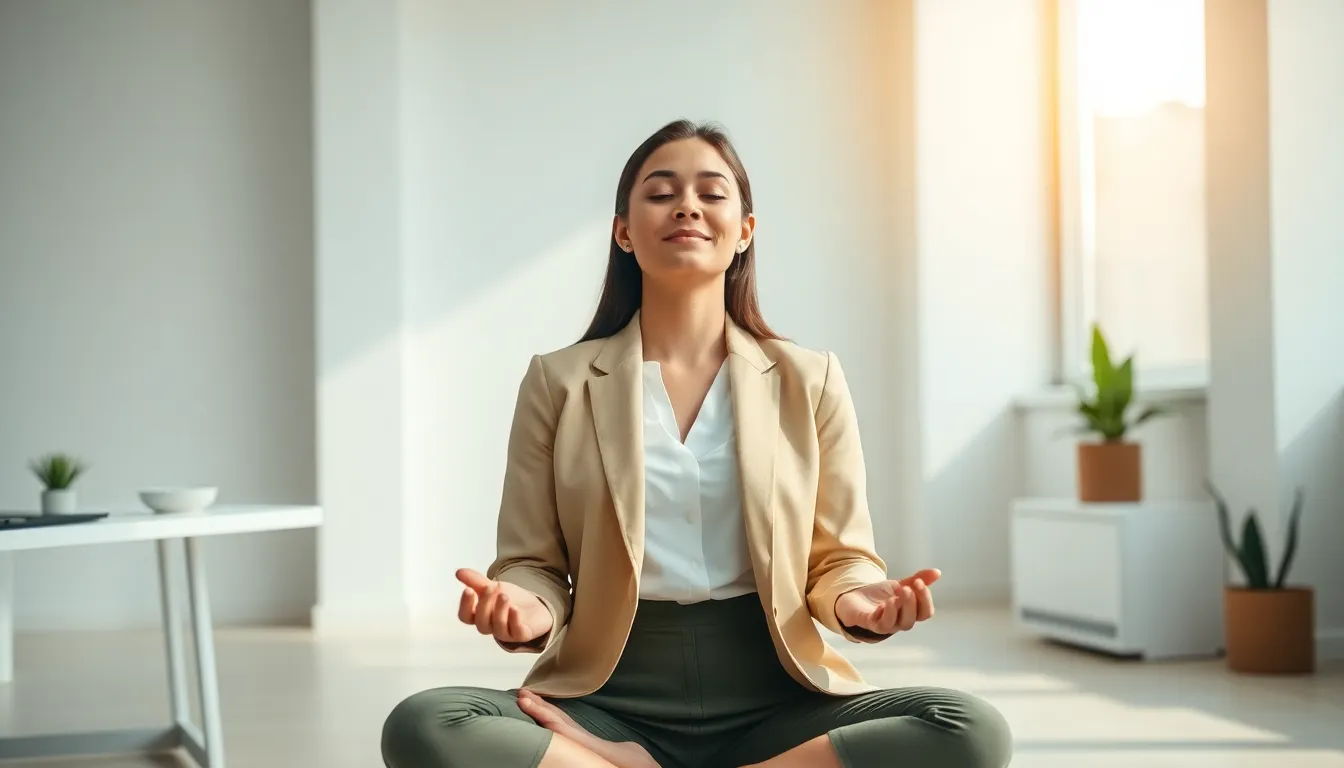
Mindfulness practices techniques help people stay focused, reduce stress, and improve mental clarity. These methods train the brain to pay attention to the present moment without judgment. Research shows that regular mindfulness practice can lower anxiety, improve sleep, and boost emotional regulation.
This guide covers practical mindfulness practices techniques that anyone can use. From breathing exercises to body scans and mindful movement, each approach offers a different entry point into present-moment awareness. The best part? Most of these techniques take just a few minutes and require no special equipment.
Table of Contents
ToggleKey Takeaways
- Mindfulness practices techniques train your brain to focus on the present moment, reducing stress and improving mental clarity.
- Breathing exercises like box breathing and 4-7-8 breathing activate your body’s relaxation response and can be done anywhere in just a few minutes.
- Body scan meditation helps you identify hidden tension in your body and improves sleep quality when practiced before bed.
- Mindful movement, including walking meditation and yoga, offers an active alternative for those who struggle with sitting still.
- Start small by linking mindfulness practices techniques to existing habits, such as doing breathing exercises right after brushing your teeth.
- Consistency matters more than duration—even five minutes of daily practice can produce noticeable benefits within two weeks.
What Is Mindfulness and Why It Matters
Mindfulness is the practice of paying attention to the present moment with openness and curiosity. It involves noticing thoughts, feelings, and sensations without trying to change them. This simple act of observation can shift how people respond to stress and daily challenges.
The benefits of mindfulness practices techniques extend beyond mental health. Studies from Harvard Medical School show that mindfulness can reduce blood pressure, improve immune function, and decrease chronic pain. People who practice mindfulness regularly report better focus at work and stronger relationships at home.
Mindfulness differs from relaxation techniques because it doesn’t aim to create a specific feeling. Instead, it builds awareness of whatever is happening right now. Someone might feel calm during practice, or they might feel restless. Both experiences are valid.
The key principle behind mindfulness practices techniques is non-judgment. When the mind wanders, and it will, practitioners simply notice and return their attention to the present. This process strengthens the brain’s ability to focus over time. Think of it like exercise for attention span.
Breathing Exercises for Present-Moment Awareness
Breathing exercises form the foundation of most mindfulness practices techniques. The breath serves as an anchor because it happens automatically yet responds to conscious control. This makes it an ideal focus point for building awareness.
Box Breathing
Box breathing uses a simple four-count pattern. Inhale for four seconds, hold for four seconds, exhale for four seconds, and hold empty lungs for four seconds. Navy SEALs use this technique to stay calm under pressure. It works because the controlled rhythm activates the parasympathetic nervous system.
4-7-8 Breathing
Developed by Dr. Andrew Weil, this method involves inhaling for four counts, holding for seven, and exhaling for eight. The extended exhale triggers a relaxation response. Many people find this technique helpful before sleep or during moments of acute stress.
Simple Breath Awareness
The most basic breathing exercise requires no counting at all. Practitioners simply observe each breath as it enters and leaves the body. They notice the sensation of air in the nostrils, the rise and fall of the chest, and the slight pause between breaths. When thoughts arise, they acknowledge them and return focus to breathing.
These mindfulness practices techniques work best with consistency. Even five minutes of daily breathing exercises can produce noticeable changes within two weeks.
Body Scan Meditation
Body scan meditation builds awareness of physical sensations throughout the body. This practice helps people recognize where they hold tension and develop a stronger mind-body connection. It’s one of the most effective mindfulness practices techniques for stress relief.
To perform a body scan, lie down or sit comfortably. Close the eyes and take several deep breaths. Then direct attention to the top of the head. Notice any sensations, warmth, tingling, pressure, or nothing at all. There’s no right or wrong experience.
Slowly move attention down through the body. Focus on the forehead, eyes, jaw, neck, and shoulders. Continue through the arms, hands, chest, abdomen, hips, legs, and feet. Spend about 30 seconds on each area. The entire practice takes 10 to 20 minutes.
Many people discover surprising things during body scans. They might notice a clenched jaw they weren’t aware of, or tension in their shoulders that’s been building all day. This awareness allows them to release physical stress before it causes pain or discomfort.
Body scan meditation also improves sleep quality. A 2019 study found that participants who practiced body scans before bed fell asleep faster and reported better rest. These mindfulness practices techniques give the busy mind something specific to focus on, which prevents the racing thoughts that often delay sleep.
Mindful Movement and Walking
Sitting still doesn’t appeal to everyone. Mindful movement offers an alternative that combines physical activity with present-moment awareness. These mindfulness practices techniques work well for people who feel restless during traditional meditation.
Walking Meditation
Walking meditation involves moving slowly and paying close attention to each step. Practitioners notice the sensation of feet touching the ground, the shift of weight from one leg to another, and the movement of muscles throughout the body. This can happen indoors or outside, though many people prefer natural settings.
The pace should be slower than normal walking. Some practitioners take one step per breath. The goal isn’t to reach a destination, it’s to fully experience the act of walking. This makes it different from exercise walking, where speed and distance matter.
Mindful Yoga and Stretching
Yoga naturally incorporates mindfulness through its focus on breath and body position. Even simple stretches become mindfulness practices techniques when done with full attention. Instead of thinking about the next task or replaying past conversations, practitioners focus entirely on the stretch happening right now.
Everyday Movement
Any physical activity can become mindful. Washing dishes, gardening, or climbing stairs all offer opportunities to practice present-moment awareness. The key is choosing to pay attention rather than going through motions on autopilot.
These movement-based mindfulness practices techniques suit active people who struggle with sitting meditation. They prove that mindfulness doesn’t require stillness, just attention.
Integrating Mindfulness Into Your Routine
Knowing about mindfulness practices techniques matters less than actually using them. Integration into daily life separates occasional practitioners from those who experience lasting benefits.
Start small. Five minutes of morning breathing exercises creates a foundation without overwhelming busy schedules. Many people find that linking mindfulness to existing habits helps with consistency. For example, practice breathing exercises right after brushing teeth, or do a quick body scan before lunch.
Use triggers as reminders. Every red light becomes an opportunity for three conscious breaths. Every time the phone rings, take one mindful breath before answering. These micro-practices add up throughout the day and reinforce the habit of present-moment awareness.
Apps can help beginners establish routines. Headspace, Calm, and Insight Timer offer guided versions of these mindfulness practices techniques. Guided sessions provide structure and accountability, especially during the first few weeks of practice.
Track progress without obsessing over it. Some people journal about their practice, noting what they tried and how they felt. Others simply check off days on a calendar. The method matters less than the commitment to showing up regularly.
Expect resistance. The mind will generate excuses, too busy, too tired, not in the mood. Practitioners who push through these moments build mental discipline that extends beyond meditation. They learn that discomfort doesn’t have to dictate behavior.