
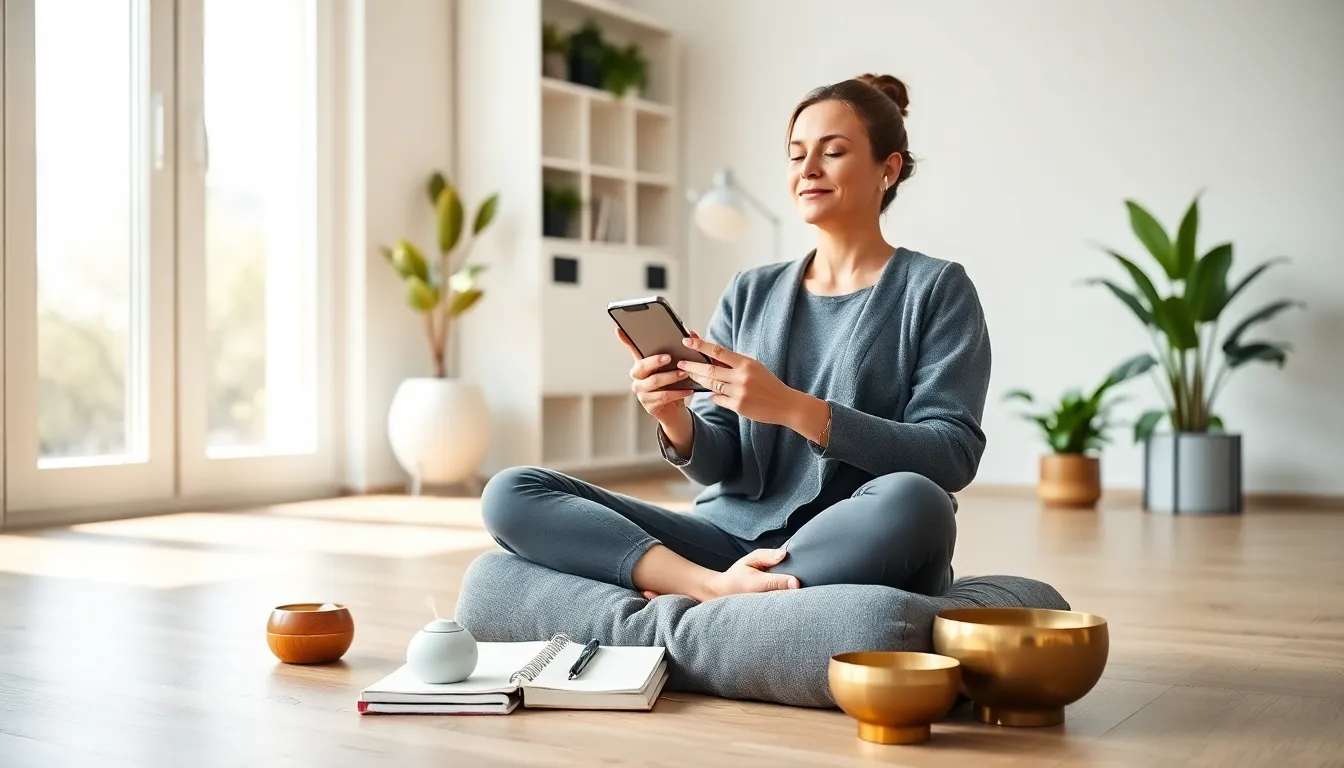
Mindfulness practices tools help people reduce stress, improve focus, and build emotional balance. These resources range from smartphone apps to meditation cushions, and they make mindfulness accessible to beginners and experienced practitioners alike. With daily demands pulling attention in multiple directions, many people struggle to stay present. The right mindfulness tools can simplify the process and create consistency in practice. This guide explores the best digital and physical resources available, explains their benefits, and offers practical advice for selecting tools that fit individual lifestyles.
Table of Contents
ToggleKey Takeaways
- Mindfulness practices tools—from apps to meditation cushions—help reduce stress, improve focus, and build consistent habits.
- Popular apps like Headspace, Calm, and Insight Timer offer guided sessions tailored to different experience levels and goals.
- Wearable devices such as Apple Watch and Muse provide real-time biofeedback and reminders to integrate mindfulness into daily routines.
- Physical tools like zafu cushions, singing bowls, and journals create dedicated spaces that deepen your meditation practice.
- Choose mindfulness tools based on your experience level, schedule, goals, and budget to maximize long-term success.
- Start with simple, free tools and add premium features or physical accessories only after you’ve built a consistent practice.
Understanding Mindfulness and Its Benefits
Mindfulness is the practice of paying attention to the present moment without judgment. It involves noticing thoughts, feelings, and sensations as they arise. This awareness helps people respond to situations rather than react impulsively.
Research supports the benefits of regular mindfulness practice. A 2023 study published in JAMA Internal Medicine found that mindfulness meditation reduced symptoms of anxiety and depression by up to 30% in participants over eight weeks. Other studies show improvements in sleep quality, emotional regulation, and cognitive function.
Mindfulness practices tools make these benefits more accessible. They provide structure, guidance, and reminders that help people build habits. Without tools, many beginners abandon their practice within weeks. With the right support, they’re far more likely to stick with it.
The benefits extend beyond mental health. Regular practitioners report better relationships, improved work performance, and greater life satisfaction. Mindfulness doesn’t eliminate stress, it changes how people relate to it. That shift makes challenges feel more manageable.
Top Digital Tools for Daily Mindfulness Practice
Digital mindfulness practices tools have transformed how people meditate. Apps and online platforms offer guided sessions, progress tracking, and personalized recommendations.
Popular Meditation Apps
Headspace provides structured courses for beginners. The app breaks mindfulness into short, daily sessions that last between 3 and 20 minutes. Users appreciate its friendly animations and clear instructions.
Calm focuses on relaxation and sleep. It offers meditation sessions, sleep stories narrated by celebrities, and ambient soundscapes. The app works well for people who want mindfulness support at bedtime.
Insight Timer offers over 100,000 free guided meditations. It connects users with teachers from various traditions. The app suits experienced practitioners who want variety and community features.
Ten Percent Happier appeals to skeptics. The app features conversations with meditation teachers and addresses common doubts about mindfulness. Its practical approach resonates with busy professionals.
Wearable Technology
Smartwatch apps track breathing patterns and send mindfulness reminders throughout the day. Apple Watch includes a built-in Breathe app that guides users through short breathing exercises. Fitbit offers similar features with stress management scores based on heart rate variability.
Muse is a headband that measures brain activity during meditation. It provides real-time audio feedback, calm sounds indicate focused attention, while stormy sounds signal a wandering mind. This biofeedback helps users understand their mental patterns.
Online Courses and Platforms
Websites like Coursera and Udemy offer mindfulness courses from university professors and certified teachers. These platforms provide deeper education than apps alone. The courses typically include video lectures, reading materials, and community discussion forums.
Physical Tools to Enhance Your Mindfulness Routine
Physical mindfulness practices tools create comfortable spaces for meditation. They support proper posture and reduce distractions.
Meditation Cushions and Benches
Zafu cushions lift the hips above the knees during seated meditation. This position reduces strain on the lower back and legs. Traditional zafus contain buckwheat hulls that conform to the body’s shape.
Meditation benches work well for people who find cross-legged sitting uncomfortable. They support a kneeling position that keeps the spine aligned. Many practitioners prefer benches for longer sessions.
Meditation mats (zabutons) provide cushioning under the ankles and knees. They pair with cushions or benches to create a complete meditation setup.
Sound Tools
Singing bowls produce resonant tones that signal the beginning and end of meditation sessions. The vibrations help focus attention and create a ritual around practice. Tibetan and crystal bowls offer different sound qualities.
Meditation timers with gentle chimes replace jarring phone alarms. Dedicated timers remove the temptation to check notifications. Some models include interval bells for walking meditation.
Aromatherapy and Environmental Tools
Essential oil diffusers release calming scents like lavender and sandalwood. These aromas trigger relaxation responses and create sensory associations with mindfulness practice.
Incense serves a similar purpose and connects practitioners to traditional meditation practices. Many people find that lighting incense signals their brain to shift into a meditative state.
Journals and Cards
Mindfulness journals prompt reflection before or after meditation. They track moods, insights, and gratitude. Written reflection deepens self-awareness and reinforces lessons from practice.
Affirmation cards and mindfulness prompt decks offer daily inspiration. They work well for people who prefer variety in their practice.
How to Choose the Right Mindfulness Tools for Your Needs
Selecting mindfulness practices tools requires honest self-assessment. The best tools match individual goals, preferences, and circumstances.
Consider Your Experience Level
Beginners benefit from guided apps that explain techniques step by step. Headspace and Ten Percent Happier excel at teaching fundamentals. Experienced practitioners might prefer Insight Timer’s library of unguided sessions or physical tools like singing bowls.
Evaluate Your Schedule
Busy people need tools that fit short time windows. Apps with 3 to 5-minute sessions work better than 30-minute guided meditations. Wearable devices that send breathing reminders integrate mindfulness into existing routines.
People with more flexible schedules might invest in physical tools and longer practice sessions. A dedicated meditation space with cushions and sound tools supports deeper practice.
Match Tools to Your Goals
Stress reduction calls for different tools than improved focus. Calm’s sleep stories help anxious insomniacs. Muse’s biofeedback headband suits people who want measurable progress. Journals work well for those seeking emotional insight.
Set a Realistic Budget
Free options exist at every level. Insight Timer offers thousands of free meditations. YouTube hosts guided sessions from qualified teachers. Library books teach mindfulness techniques without cost.
Paid tools provide additional features. Premium app subscriptions typically cost $70 to $100 per year. Quality meditation cushions range from $40 to $150. Biofeedback devices like Muse cost $200 or more.
Start Simple and Add Tools Over Time
Many people buy too many mindfulness tools before establishing a practice. A smartphone app and quiet corner provide everything beginners need. Physical tools and premium features make sense after someone maintains consistent practice for several months.