
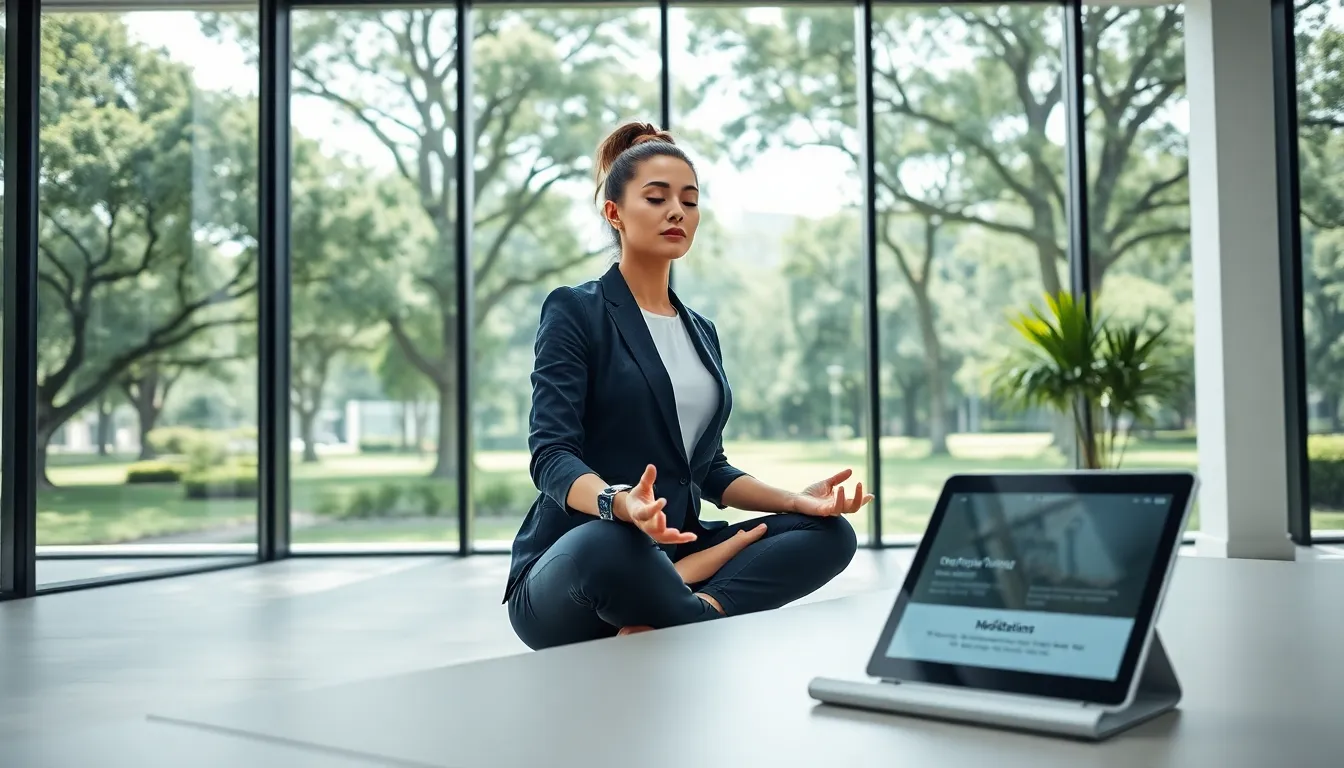
Mindfulness practices trends 2026 reflect a shift toward technology, personalization, and environmental connection. As mental health awareness grows, more people seek practical ways to reduce stress and improve focus. The coming year will bring significant changes to how individuals and organizations approach mindfulness. From AI-driven meditation apps to outdoor-focused wellness programs, these trends show where the industry is heading. This article explores the key mindfulness practices trends 2026 will bring and explains why they matter for everyday well-being.
Table of Contents
ToggleKey Takeaways
- AI-powered meditation apps will personalize mindfulness practices in 2026, increasing user adherence rates by up to 40% compared to generic programs.
- Workplace mindfulness programs are expanding rapidly, with companies reporting a 28% reduction in employee stress and 20% improvement in sleep quality.
- Wearable technology integration allows real-time stress detection and guided interventions, making mindfulness practices trends 2026 more data-driven than ever.
- Nature-based approaches like forest bathing and eco-mindfulness offer screen-free alternatives that reduce cortisol and improve mood.
- Organizations of any size can start with simple initiatives like weekly 15-minute group meditation sessions to support employee well-being.
AI-Powered Mindfulness Apps and Personalization
Artificial intelligence will reshape mindfulness practices trends 2026 in significant ways. Meditation apps now use machine learning to create custom sessions based on user behavior, stress levels, and personal goals. This level of personalization makes mindfulness more accessible and effective for beginners and experienced practitioners alike.
Apps like Calm, Headspace, and newer competitors are adding AI features that adapt in real time. For example, an app might detect elevated heart rate data from a connected device and suggest a breathing exercise. Others analyze voice patterns during check-ins to recommend specific meditation types.
The benefits of AI-powered mindfulness include:
- Personalized content that matches individual needs and preferences
- Adaptive difficulty that grows with the user’s experience
- Real-time feedback on breathing, posture, and focus
- Smart scheduling that finds optimal times for practice based on daily routines
Critics raise valid concerns about data privacy and over-reliance on technology for mental wellness. But, research shows that personalized interventions improve adherence rates. A 2024 study published in the Journal of Medical Internet Research found that users of personalized meditation apps practiced 40% more frequently than those using generic programs.
As mindfulness practices trends 2026 continue to develop, expect AI to become a standard feature rather than a premium add-on. The technology lowers barriers for people who previously found meditation too vague or difficult to maintain.
Workplace Mindfulness Programs Gain Momentum
Corporate investment in employee mental health continues to grow. Workplace mindfulness programs represent one of the strongest mindfulness practices trends 2026 will see expand. Companies recognize that stressed employees cost money through reduced productivity, higher turnover, and increased healthcare claims.
Google, SAP, and Aetna pioneered corporate mindfulness programs years ago. Now mid-sized companies and startups follow their lead. These programs typically include guided meditation sessions, stress management workshops, and quiet spaces for reflection.
The numbers support this investment. According to the American Institute of Stress, workplace stress costs U.S. businesses over $300 billion annually. Companies implementing mindfulness programs report measurable improvements:
- 28% reduction in stress levels among participants
- 20% improvement in sleep quality
- 14% decrease in burnout symptoms
- Higher employee satisfaction scores
Hybrid work environments create new challenges and opportunities for workplace mindfulness. Virtual meditation sessions allow remote employees to participate. Some companies now offer “mindful meeting” protocols that include brief centering exercises before discussions begin.
Mindfulness practices trends 2026 in the workplace will likely include integration with employee assistance programs and health insurance incentives. Forward-thinking HR departments treat mindfulness training as essential as professional development.
Smaller organizations can start with simple initiatives. A weekly 15-minute group meditation session costs nothing but provides meaningful benefits. The key is consistency and leadership support, employees need to see that taking time for mental wellness is acceptable and encouraged.
Integration of Mindfulness With Wearable Technology
Wearable devices and mindfulness practices are becoming deeply connected. This integration stands out among mindfulness practices trends 2026 because it bridges physical data with mental wellness techniques.
Modern smartwatches and fitness trackers measure heart rate variability (HRV), sleep patterns, and stress indicators. These metrics provide objective feedback that users can act on. When a device detects rising stress levels, it can prompt the wearer to take a breathing break or practice a quick grounding exercise.
Apple Watch, Fitbit, Garmin, and Oura Ring all include mindfulness features. The technology continues to improve:
- Biofeedback sensors measure real-time physiological responses during meditation
- Guided breathing exercises sync with heart rate for optimal pacing
- Sleep tracking connects rest quality to mindfulness practice consistency
- Stress scores help users identify patterns and triggers
Researchers are developing more advanced wearables specifically for mindfulness. EEG headbands like Muse measure brain activity during meditation and provide audio feedback. These devices help users understand when their mind wanders and improve focus over time.
Mindfulness practices trends 2026 will see wearable data feeding into comprehensive wellness platforms. Imagine an app that correlates your meditation habits with sleep quality, exercise, and mood, then adjusts recommendations automatically.
The challenge is avoiding information overload. Too much data can increase anxiety rather than reduce it. The best implementations present insights simply and encourage action without overwhelming users.
Nature-Based and Eco-Mindfulness Approaches
Outdoor mindfulness practices are gaining popularity as people seek alternatives to screen-based meditation. Nature-based approaches represent a significant category within mindfulness practices trends 2026, offering benefits that indoor sessions cannot replicate.
Forest bathing (shinrin-yoku), a practice originating in Japan, has spread worldwide. Research confirms that spending time in natural settings reduces cortisol levels, lowers blood pressure, and improves mood. The practice involves slow, mindful walks through wooded areas with attention to sensory experiences.
Eco-mindfulness combines environmental awareness with meditation techniques. Practitioners develop a deeper connection to nature while building personal wellness habits. This approach appeals to those concerned about climate change and sustainability.
Popular nature-based mindfulness activities include:
- Walking meditation in parks or trails
- Outdoor yoga and breathing exercises
- Gardening as a mindful practice
- Water-based activities like paddleboarding or swimming with mindful awareness
- Sunrise or sunset meditation focused on natural light changes
Urban areas are adapting to this trend. Cities are creating more green spaces designed for wellness activities. Some parks now feature designated meditation zones and outdoor mindfulness class areas.
Mindfulness practices trends 2026 will likely see growth in eco-retreat programs and nature-focused wellness tourism. These experiences combine travel with structured mindfulness training in natural settings.
The appeal is straightforward: humans evolved in natural environments. Our nervous systems respond positively to trees, water, and open sky. Bringing mindfulness practice outdoors connects ancient wisdom with modern wellness science.