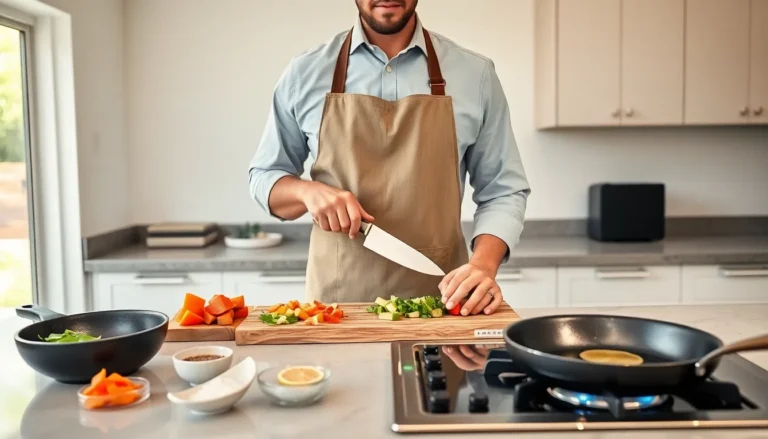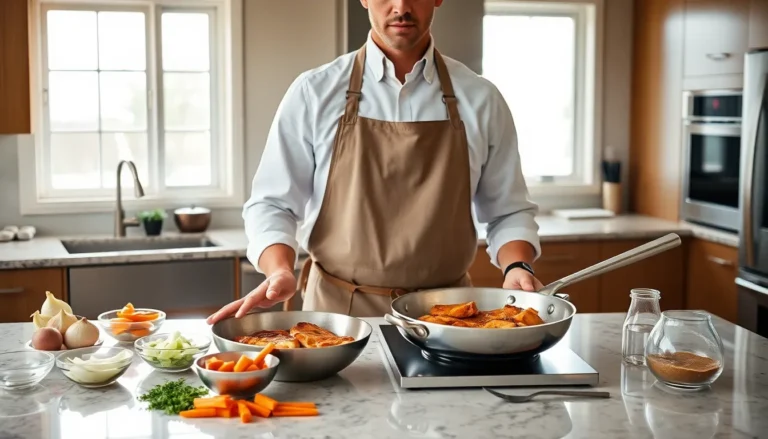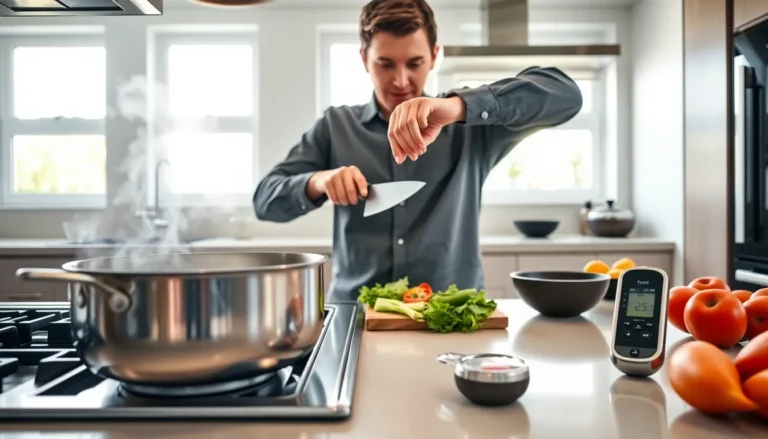
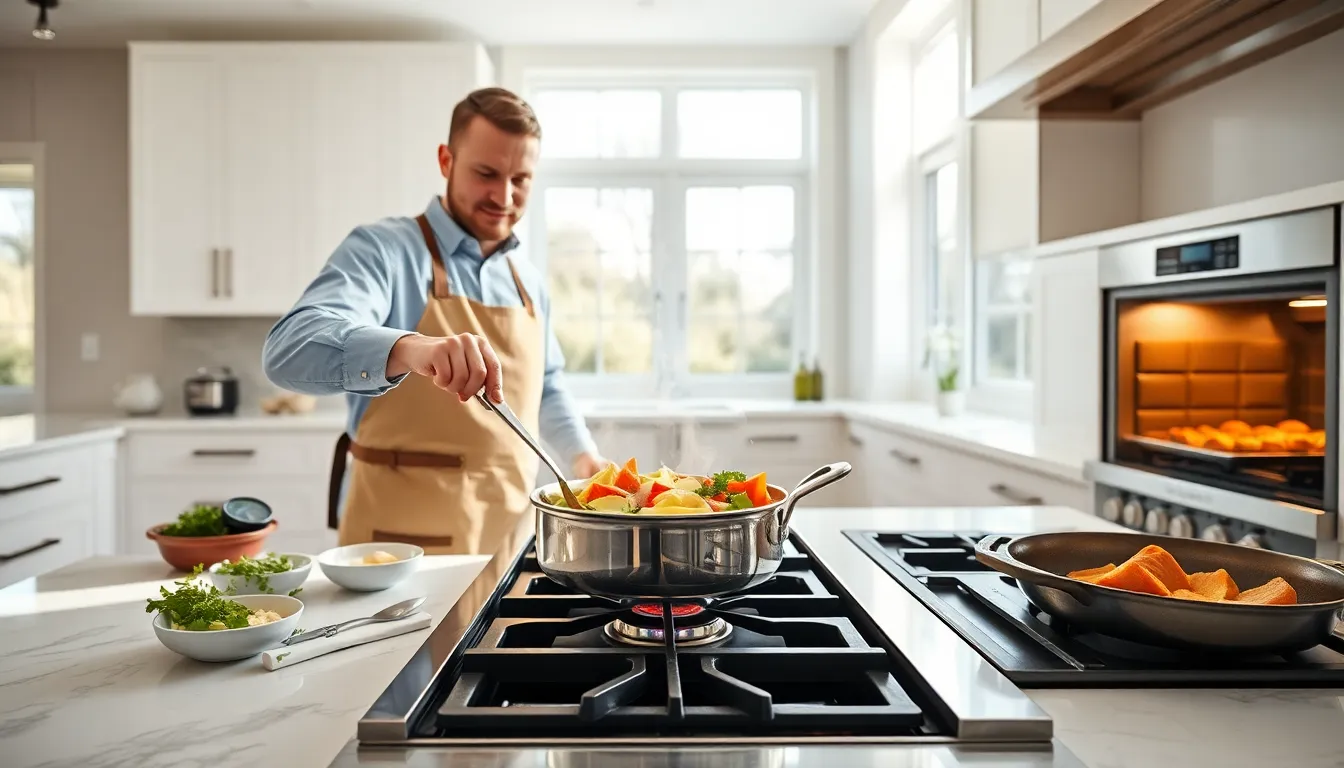
Learning the top cooking techniques separates good home cooks from great ones. A chef who understands how heat transfers to food can turn simple ingredients into memorable meals. These skills aren’t reserved for restaurant kitchens, they belong in every home.
This guide breaks down the essential methods every home chef needs. From dry-heat approaches like sautéing and roasting to wet-heat techniques like braising and steaming, each method offers distinct advantages. Mastering these top cooking techniques gives cooks more control, better flavors, and consistent results.
Table of Contents
ToggleKey Takeaways
- Mastering top cooking techniques like sautéing, roasting, braising, and steaming gives home cooks more control and consistent results.
- Dry-heat methods (sautéing, roasting) create browning and caramelization, while wet-heat methods (braising, steaming) produce tender, fall-apart textures.
- Avoid overcrowding the pan when sautéing—it causes steaming instead of browning and kills flavor development.
- Braising and stewing are forgiving top cooking techniques ideal for busy cooks, since extra time rarely ruins the dish.
- Prep all ingredients before cooking (mise en place), invest in an instant-read thermometer, and season in layers to elevate your results.
- Taste constantly and embrace failures—experimenting builds the instincts that turn recipe-following into intuitive cooking.
Essential Dry-Heat Cooking Methods
Dry-heat cooking uses air, oil, fat, or radiation to transfer heat to food. These top cooking techniques work best when cooks want browning, caramelization, or a crispy exterior. The Maillard reaction, that beautiful browning on a steak or roasted vegetable, happens only with dry heat.
Understanding dry-heat methods opens up a range of flavors and textures. These techniques require higher temperatures and less moisture than their wet-heat counterparts.
Sautéing and Pan-Frying
Sautéing involves cooking food quickly in a small amount of oil over medium-high to high heat. The term comes from the French word “sauter,” meaning “to jump.” Cooks toss or stir ingredients frequently to ensure even cooking.
This technique works perfectly for vegetables, thin cuts of meat, and seafood. The key is heating the pan before adding oil, then adding food once the oil shimmers. Overcrowding the pan causes steaming instead of browning, a common mistake that kills flavor development.
Pan-frying uses more oil than sautéing and typically involves larger pieces of food. Think chicken cutlets, fish fillets, or pork chops. The food sits in the pan longer, developing a golden crust on each side. A cast-iron skillet or heavy stainless-steel pan distributes heat evenly for the best results.
Both of these top cooking techniques demand attention. Food can go from perfectly browned to burnt in seconds.
Roasting and Baking
Roasting and baking both use dry heat in an enclosed space, usually an oven. The difference? Roasting typically refers to meats and vegetables, while baking applies to bread, pastries, and casseroles.
Roasting creates incredible depth of flavor. High heat (400°F and above) caramelizes natural sugars in vegetables and renders fat from meats. The result is crispy exteriors and tender interiors. For even cooking, ingredients should be cut into similar sizes and arranged in a single layer.
Baking operates at lower temperatures and often involves chemical leavening or yeast. Precision matters here, oven temperature and timing directly affect the final product. An oven thermometer helps, since many home ovens run hot or cold by 25 degrees or more.
These top cooking techniques require patience. Rushing the process leads to undercooked centers or overcooked surfaces.
Must-Know Wet-Heat Techniques
Wet-heat cooking uses water, stock, wine, or other liquids to transfer heat. These methods work at lower temperatures than dry-heat cooking, water can’t exceed 212°F at sea level. The trade-off? Tender, fall-apart textures that dry heat simply can’t achieve.
These top cooking techniques transform tough cuts of meat and fibrous vegetables into something special.
Braising and Stewing
Braising combines dry and wet heat. Cooks first sear meat to develop flavor through browning, then add liquid and cook slowly in a covered pot. The liquid typically covers the meat about halfway. Low heat (around 300°F) breaks down collagen in tough cuts, turning them tender over several hours.
Classic braises include pot roast, coq au vin, and osso buco. These dishes improve when made a day ahead, the flavors deepen overnight in the refrigerator.
Stewing works similarly, but the ingredients are cut smaller and fully submerged in liquid. Beef stew and chicken fricassee are familiar examples. The cooking liquid becomes a flavorful sauce or gravy.
Both methods forgive minor mistakes. An extra 30 minutes rarely ruins a braise. That makes these top cooking techniques perfect for busy home cooks who can’t watch a pot constantly.
Steaming and Poaching
Steaming cooks food using water vapor. The food never touches the liquid, sitting above it on a rack or in a basket. This method preserves nutrients, color, and delicate textures. Vegetables, dumplings, and fish respond well to steaming.
Poaching submerges food in gently simmering liquid, usually between 160°F and 180°F. The liquid should barely bubble. Eggs, chicken breasts, and fruit poach beautifully at these low temperatures.
Both techniques produce clean flavors without added fat. They’re among the healthiest of all top cooking techniques. The key is maintaining consistent, low temperatures throughout the cooking process.
Tips for Improving Your Cooking Skills
Mastering top cooking techniques takes practice, but a few habits accelerate progress.
Prep everything first. Professional kitchens call this “mise en place.” Chop vegetables, measure spices, and organize ingredients before turning on the heat. Cooking moves fast, scrambling for ingredients mid-recipe leads to burned food.
Invest in a good thermometer. Guessing doneness wastes time and risks food safety. An instant-read thermometer costs under $20 and removes the guesswork from cooking meat.
Learn to control heat. Most home cooks use heat that’s too high. Medium heat handles most tasks. High heat is for searing and boiling, not everyday cooking.
Season in layers. Add salt at multiple stages during cooking, not just at the end. This builds depth and ensures seasoning penetrates the food.
Taste constantly. Great cooks taste their food throughout the cooking process. They adjust seasoning, acidity, and texture as they go.
Accept failures. Every burned pan or flat soufflé teaches something. Home chefs who experiment and learn from mistakes develop better instincts over time.
These habits support all top cooking techniques. They turn mechanical recipe-following into intuitive cooking.